Featured Articles
- Beyond Coupons and Budgets: Unveiling the Surprising Role of Sleep Patterns in Financial Well-being
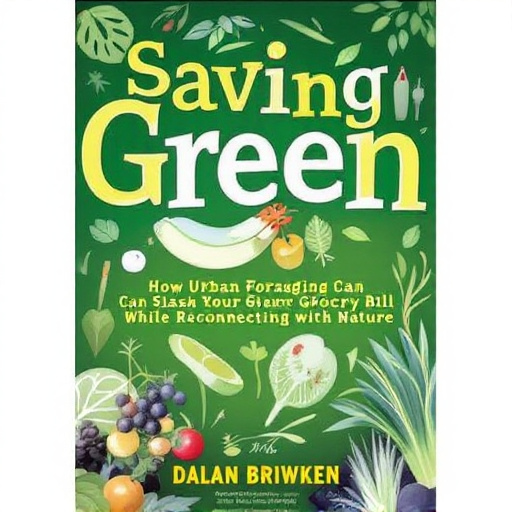
- "Saving Green: How Urban Foraging Can Slash Your Grocery Bill While Reconnecting with Nature"
- Saving Space, Saving Cash: Uncovering the Financial Benefits of Minimalist Living and Decluttering Your Life
- The Surprising Savings Secrets of Minimalist Living: How Less Can Mean More in Your Wallet
- Top 8 Innovative Budget Tools Launched in the Last 5 Years: Expert Comparison & Reviews to Maximize Your Savings
Unconventional Savings: How Quirky Hobbies Can Boost Your Budget and Cut Costs!
Unconventional Savings: How Quirky Hobbies Can Boost Your Budget and Cut Costs!
Unconventional hobbies can serve not only as creative outlets but also as effective methods for saving money and cutting down everyday expenses. This article explores how engaging in quirky activities can enhance your budget in unexpected ways, from DIY projects to community sharing.
Embracing the Quirkiness of Hobbies
Hobbies, by their very nature, are a departure from our daily grind. They slip us into the realms of joy and creativity while offering us a much-needed break from stress. But what if your quirkiest hobby could also boost your budget? Think about it: activities like knitting, gardening, or even dumpster diving can not only fulfill your creative yearning but also translate into real savings. Have you ever thought about how much money you can save on groceries by growing your own vegetables? According to the National Gardening Association, home gardening can save families an average of $600 per year!
The Case of the Knitting Enthusiast
Meet Sarah, a 34-year-old nurse who turned her obsession with knitting into a money-saving venture. Initially, she was spending a fortune on sweaters and scarves from boutiques. After taking a knitting class, she learned to make her own fabulous creations. Now, not only is she saving money, but she’s also gifting handmade items during the holiday season, which adds a personal touch. It’s a win-win situation—she saves money and her loved ones appreciate her creativity! Plus, according to a study by the Craft Yarn Council, 70% of knitters report relief from stress, making it an all-around beneficial pastime.
DIY: Do it Yourself to Save Big
Ah, the world of DIY! From homemade candles to refurbished furniture, “do it yourself” trends encourage people to craft rather than buy. Not only does this reduce spending, but it gets the creative juices flowing. Consider the thrifty DIY-lover acquainted with the world of furniture upcycling. Instead of splurging on a new sofa, tackle that old Craigslist find with a little paint and fabric. A furniture makeover could save you hundreds while providing a fulfilling project and a unique talking point in your home.
The Fun Side of Thrift Shopping
Another friendly way to save money is through thrift shopping, which often feels like a treasure hunt. Dive into second-hand stores, garage sales, and flea markets, where you can find anything from vintage clothing to hidden gems. According to ThredUp’s 2021 Resale Report, the secondhand market is projected to double in the next five years, as shopping sustainably grows more appealing. Barraging through a local thrift store, you might stumble upon a designer dress priced under $20—who says you can’t be fashionable without breaking the bank?
Community Share Programs: A Financial Lifeline
Don’t overlook the rise of community sharing programs, especially in urban areas. From tool-sharing libraries to bike-sharing systems, the benefits are multifaceted—save money and contribute to a more sustainable environment. Imagine having access to all the tools you need for home improvement without the hefty purchase price. This approach also fosters community bonds as you meet neighbors and discover shared interests. The Sharing Economy is thriving, with estimates suggesting it could stretch to a staggering $335 billion by 2025 (Source: PwC). Why not jump on this trend?
From Cooking to Couponing: Mastering Money Management
Consider embracing the art of cooking at home instead of dining out. Not only will you learn new culinary skills, but you’ll also save quite a bit. Data from the Bureau of Labor Statistics shows that on average, eating out costs a family about $3,000 a year! Try hosting “Potluck Fridays” where friends bring dishes. This promotes creativity and is far more economical than frequent restaurant visits. Who doesn’t enjoy a cozy meal with friends? Plus, it can turn into a delightful weekly ritual!
Home Brewing: A Toast to Savings
For adults (over 21, of course), home brewing has become both a trendy hobby and a cost-effective beverage choice. With essentials costing approximately $100 to start, and considering the average price of craft beer is around $7 per pint, a little math shows you could potentially save hundreds. This practice has even garnered a community feel, thanks to home brewing clubs sharing tips and recipes. Imagine cracking open a bottle of your very own pale ale during a game night—cheers to that budget-friendly fun!
Quirky Hobbies with Unexpected Savings
Now, let's discuss some off-beat hobbies you may not have considered. For instance, geocaching is an outdoor treasure-hunting game where GPS coordinates lead you to hidden containers. It’s a thrilling way to explore your surroundings that doesn’t require an expensive vacation. Many geocachers report forming friendships and communities through this adventure. Plus, you can enjoy various locales for free, making it an exceptional budget-friendly pastime.
The Green Thumb Revolution
Do you have a knack for plants? Even if you don't, starting your own small herb garden can save you money on groceries while giving you a peaceful retreat. Say goodbye to expensive store-bought herbs and spices and say hello to fresh ingredients right outside your kitchen door. A study published by the Journal of Horticulture found that people growing their own herbs reported a 20% decrease in grocery costs. Who knew gardening had such impressive benefits?
Fun Facts: The Psychology Behind Hobbies
Believe it or not, engaging in hobbies is not just a fun escape; it’s also remarkably beneficial for mental health. According to the American Psychological Association, hobbies foster creativity and improve focus, which can translate into better decision-making when it comes to finances. So every hour you spend at your easel or in the garden is not just about creative release—it's also about making wiser, money-savvy life choices.
The Power of Networking through Hobbies
Networking through hobbies creates opportunities that can lead to side gigs or even full-time incomes. That pottery class you’ve been thinking about? It may lead you to meet someone who’s looking for a freelance artist to design gift items. Many successful businesses have emerged from casual encounters in shared hobby spaces. You never know what opportunities await when you engage with your interests enthusiastically!
Creating a Budget-Friendly Lifestyle
Ultimately, embodying an unconventional savings mindset involves integrating hobbies into your life in ways that naturally bolster your budget. When you take a step back and assess how your interests align with your financial goals, you may find you can achieve both without sacrificing one for the other. Everyone wants to save money, but not everyone realizes that in doing what you love, you can save more than you expect.
Conclusion: Cultivating a Budget-Friendly Mindset through Hobbies
Engaging in quirky hobbies can do wonders for your financial health, allowing you to cut costs while pursuing passions that genuinely excite you. From gardening and cooking to brewing and DIY projects, the options for creative savings are limitless. Ultimately, embracing the unexpected can lead to not only a deeper connection to your interests but also a significantly healthier wallet.
So, what are you waiting for? Ditch that expensive coffee shop ritual, invest a bit of time in a quirky hobby, and watch your budget breathe a sigh of relief.
Related Articles