Featured Articles
- 12 Little-Known Tax Hacks That Could Transform Your Savings and Change Your Financial Future
- 7 Cutting-Edge Budgeting Apps Released Since 2019 Ranked for Maximum Money Mastery
- Cryptocurrency and Mental Health: How Digital Assets Impact Your Financial Well-Being
- Cryptocurrency Gentrification: How Digital Currencies Are Shaping Neighborhood Economies and Personal Wealth
- Harnessing the Side Hustle: How Digital Nomadism is Reshaping Personal Finance Strategies for the Future
Cryptocurrency Gentrification: How Digital Currencies Are Shaping Neighborhood Economies and Personal Wealth
Cryptocurrency Gentrification: How Digital Currencies Are Shaping Neighborhood Economies and Personal Wealth
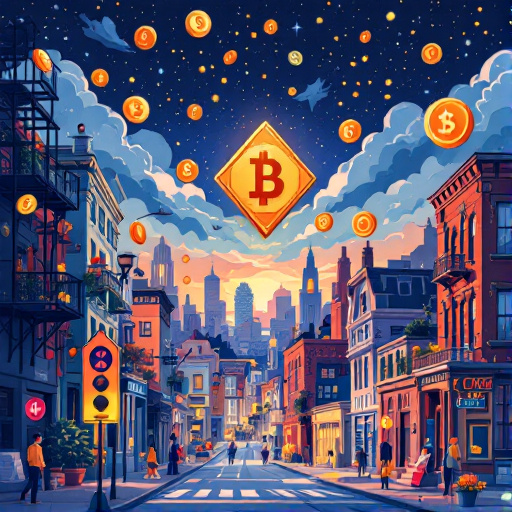
Cryptocurrency is revolutionizing not only the financial landscape but also the socioeconomic dynamics of neighborhoods, creating a modern version of gentrification. This article explores how digital currencies are reshaping local economies, influencing personal wealth, and leading to a changing urban fabric—some may call it neighborhood revitalization, while others see it as the displacement of longstanding residents.
A New Era of Currency
As of 2023, the cryptocurrency market has exceeded a valuation of $3 trillion, according to CoinMarketCap. This astronomical growth has positioned cryptocurrency not just as an alternative investment, but as a new paradigm of wealth generation. But how does that affect local economies?
Economic Revitalization or Displacement?
One of the most notable cases is the neighborhood of East Denver, Colorado, which has seen significant revitalization thanks to increased interest from cryptocurrency investors. Local cafes began accepting Bitcoin as payment, and tech startups popped up, eager to use the blockchain technology that cryptocurrency is built on. Traditional businesses struggled to keep up, leading some to argue that this digital currency influx is simply accelerated gentrification, pushing out lower-income families in the wake of rising property values.
Don’t Be Fooled by the Hype
It’s easy to get swept up in the allure of digital currencies—Bitcoin, Ethereum, and the like often seem like quick pathways to wealth. However, volatility is the keyword here. In a mere 12 months, Bitcoin's price fluctuated from about $63,000 in April 2021 to a low of approximately $30,000 by the end of the following year. This unpredictability can lead not only to financial gains and losses for individuals but also wider implications for local economies relying on these currencies.
The Double-Edged Sword of Digital Wealth
While cryptocurrency can provide instantaneous wealth for some, others are left to face the negative consequences. Stories abound of longtime residents in tech-driven cities facing skyrocketing rents and property taxes—fueled partly by the digital currency crowd’s demand for housing. One might argue that the influx of newcomers with disposable income encourages development, yet it simultaneously displaces the very people who may have lived there for generations. In many ways, cryptocurrency gentrification plays with the law of supply and demand—a rich irony in the very heart of a currency built on decentralized principles.
A Glimpse Through Two Lenses
Imagine two characters in our modern city: Sarah, who grew up in East Denver but is struggling to keep up with rising rents as property values soar due to an influx of wealthy crypto investors, and Mike, a tech-savvy millennial who recently relocated to the area to work for a blockchain startup. As Mike enjoys the benefits of the local crypto boom, Sarah finds herself increasingly marginalized in a place she once called home. The contrast is stark and illustrates the human story behind cryptocurrency gentrification.
Innovative Local Economies
Despite the challenges, some neighborhoods have harnessed the power of cryptocurrency to foster innovative local economies. For instance, in some districts of Miami, crypto-native startups have blossomed, giving birth to co-working spaces that cater exclusively to digital entrepreneurs. These entrepreneurs often support local businesses by using crypto for daily transactions, thus involving the community in a digital economy while promising a future filled with potential—for some.
The Ripple Effects
When discussing the socio-economic effects of cryptocurrency, one cannot overlook the concept of "ripple effects." According to a 2021 report by the World Economic Forum, adopting digital currencies can lead to increased job creation and economic diversification. Yet, as many neighborhoods experience influxes of crypto wealth, they can also face challenges like strain on community resources, leading to feelings of resentment among long-time residents.
The Cultural Shift
Aside from financial implications, cryptocurrency gentrification is changing cultural landscapes. Art and music scenes are thriving in areas embraced by young creatives with crypto funding. Events like CryptoArtWeek showcase local artists while promoting the use of digital currencies in the arts. This shift creates a vibrant but paradoxically exclusive space—pushing traditional artists out of the picture, while bringing in others who can afford the area's rising costs.
Perspectives from Around the Globe
Across the globe, cryptocurrency gentrification manifests differently. In Barcelona, for instance, an uptick in crypto investment has prompted the city government to initiate more sustainable housing projects, aiming to counterbalance inflationary effects in neighborhoods. Yet the quick influx of crypto wealth has led to a spike in airbnbs, further displacing locals. Whether through supportive government policies or direct community action, people are finding ways to combat the issues brought on by increasing digital currency investments.
Adapting to the New Normal
Despite the perils, the financial advantages brought by cryptocurrency aren't entirely lost on the local populace. For many, accepting cryptocurrency can expand a business's customer base. SMEs (Small and Medium Enterprises) that have started to roll out cryptocurrency payment options have enjoyed notable sales increases—one case study highlighted a 40% annual boost in revenue for a local coffee shop in Austin, Texas, after introducing Bitcoin payments. For some businesses, adapting to this changing landscape may be the difference between thriving or simply surviving.
Community Responses
Communities aren’t sitting on their hands, either. Many neighborhoods facing gentrification are creating local crypto funds aimed at investing back into the community and assisting low-income residents. These initiatives aim to create a more equitable distribution of wealth from digital currencies—turning the narrative of gentrification on its head.
The Long-Term Outlook
What does the future hold as cryptocurrency continues to play an influential role in neighborhood economies? Analysts predict that, over time, the housing market will stabilize once new developments cater to the diverse needs of both newcomers and longstanding residents. As cities adapt to the reality of digital currencies, more equitable solutions may emerge that address the pressing need for affordable housing and accessible resources.
A Cautionary Tale
While it’s easy to get enamored with the world of cryptocurrency and its implications, caution is a virtue. The story of East Denver serves as a reminder that the influx of wealth can disrupt community bonds and alter the unique fabric that gives neighborhoods their character. As alluring as the crypto dream may seem, it can easily turn into a nightmare for those displaced.
Closing Thoughts
As our societies evolve alongside rapidly advancing technology, it’s vital to recognize the multifaceted impacts of cryptocurrency on local economies. Understanding the balance between innovation and community well-being will determine the sustainability of gentrification efforts driven by digital currencies. Whether you’re a seasoned investor, a curious newcomer, or a long-time resident, your role in this narrative is essential. You might just be the catalyst for change that fosters a more inclusive economy.
In this age of transformation, as an enthusiastic 26-year-old with a vested interest in both technology and social equity, I urge you to consider where you stand in the grand scheme of cryptocurrency gentrification. Embrace the potential for change while advocating for equitable solutions that honor the original spirit of our communities.
Related Articles