Featured Articles
- Cryptocurrency and Mental Health: How Digital Assets Impact Your Financial Well-Being
- Cryptocurrency Gentrification: How Digital Currencies Are Shaping Neighborhood Economies and Personal Wealth
- Harnessing the Side Hustle: How Digital Nomadism is Reshaping Personal Finance Strategies for the Future
- The Hidden Cost of Convenience: How Instant Gratification is Sabotaging Your Financial Future
- The Hidden Costs of Your Digital Life: How Everyday Apps are Draining Your Wallet
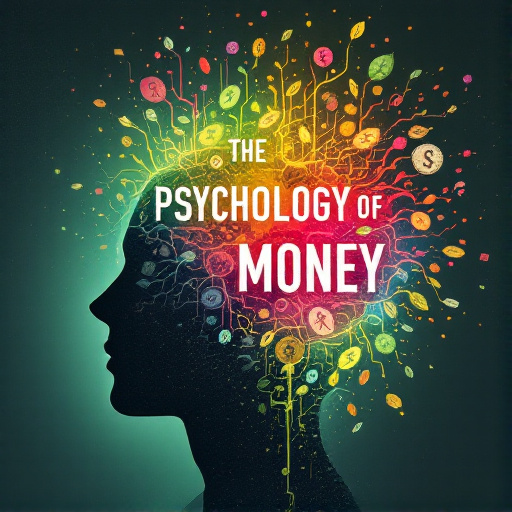
The Psychology of Money: How Emotions Hijack Your Financial Decisions and What to Do About It
The Psychology of Money: How Emotions Hijack Your Financial Decisions and What to Do About It
ചിലപ്പോഴൊക്കെ, നമ്മുടെ മാനസികാവസ്ഥകൾ സാമ്പത്തിക തീരുമാനങ്ങളെ എങ്ങനെയെങ്കിലും വാഹനം ഡ്രൈവറെയും കാറിന്റെ നിറവും സ്വാധീനിക്കുന്നു. പണം, അതിന്റെ സ്വഭാവം, പ്രേരണ, പരിഭവങ്ങൾ, ഹിതം, തുടങ്ങിയവയെ സംബന്ധിച്ച് നമ്മുടെ വികാരങ്ങളും വ്യാപാരകര്മങ്ങളും എങ്ങനെ നമ്മെ വഴിതിരിയുന്നു എന്നതിനെക്കുറിച്ച് തെളിഞ്ഞ സാഹചര്യം ഈ ലേഖനം അവതരിപ്പിക്കുന്നു.
നാം എങ്ങനെ ചിന്തിക്കുന്നു? (How We Think)
Money isn’t just a tool for exchange—it’s deeply intertwined with our identity and emotions. A study by the American Psychological Association revealed that money is a leading cause of stress for nearly 70% of Americans. This stress affects not only our financial choices but also our mental health, relationships, and overall happiness.
വിപണി ആകർഷണം (The Allure of the Market)
Imagine walking into a mall with your friends. You see a pair of shoes that you’ve been dreaming about for months. The price tag makes your heart race, but you also know it means skipping your next month's rent. This dilemma, my friends, is driven by the emotional aspect of spending. According to a study published in the Journal of Consumer Research, many shoppers face impulsive buying due to positive emotions, leading to regrettable financial decisions later.
കല്പനകളും ഭയങ്ങളും (Fantasy and Fear)
At one point, I was an 18-year-old student obsessed with cryptocurrency. After hearing a success story of a college dropout making millions in Bitcoin, I invested my entire savings. Spoiler alert: I lost it all! This fantasy was appealing, but the fear of missing out (FOMO) led to a poor financial decision. Research shows that FOMO can compel individuals to act against their better judgment, particularly in volatile markets (Pew Research Center).
വരെ ആകർഷണം (The Pull of Scarcity)
The fear of scarcity often leads us to grab hold of things we don’t need. Ever witnessed a Black Friday sale? Those long queues and frenzied shoppers aren’t just about savings; they’re psychologically rooted in our fear of missing out on a "once-in-a-lifetime" deal. A well-known case study on this phenomenon involved a university’s experiment where participants were told they could have a cookie or a more valuable cake. Many chose the cookie simply because the cake was perceived as limited!
ധനം & മാനസികാവസ്ഥ (Money & Mental States)
Not everyone has the same emotional connection to money. For some, it represents security; for others, it’s a source of anxiety. The book "The Psychology of Money" by Morgan Housel highlights stories that illustrate how people’s experiences shape their financial decisions. One chapter focuses on a man who grew up in poverty and, as an adult, spent extravagantly because of his fear of being poor again.
മാനസികാവസ്ഥയും ധനരീതികളും (Mindset and Money Habits)
There's a popular saying: "Rich people think differently." Wealthier individuals often approach money with a long-term perspective and a mindset of abundance. In contrast, many low-income earners live in survival mode, making decisions based on fear rather than planning. According to a study by the Center for Financial Services Innovation, people in unstable financial conditions often prefer immediate gratification over future benefits—the essence of emotional hijacking.
﴿നാം എന്ത് ചെയ്യാം﴿ (What Can We Do?)
Understanding the psychology behind our financial decisions can empower us to make better choices. One practical approach is mindfulness. Just as meditation helps clear our minds, being mindful about money can protect against impulsive spending. Keeping a financial journal, tracking expenses, and setting clear budgets can also help foster a positive relationship with money while mitigating emotional influences.
ശ്രദ്ധിക്കുക (Stay Aware)
Have you ever made a spur-of-the-moment decision only to regret it later? It’s crucial to pause and check in with yourself before making financial choices. Ask yourself: “Am I buying this because I need it or because I’m feeling a certain way?” This simple practice can significantly alter your spending habits and help establish a better financial future.
അന്ത്യം (To Summarize)
In conclusion, the intricate relationship between emotions and financial decisions is undeniable. Recognizing the psychological factors at play can empower us to take a more disciplined and thoughtful approach to our finances. The journey towards financial literacy is not merely about calculations and investments but is deeply interwoven with our personal histories and emotional responses.
As someone in their 30s, I can assure you that you are not alone in this journey. By understanding emotions, recognizing patterns, and staying aware, we can navigate the financial landscape with greater wisdom. Remember, it's not about how much money you make, but how emotionally intelligent you are with it.
അവസാനം സ്വയംആയൂർ (Finally Self-Reflect)
So here’s the challenge: Over the next month, pay attention to your emotions surrounding money. Every time you’re about to make a purchase, take a moment to reflect. Are you in a good mood, or are you trying to fill a void? Are you influenced by someone’s social media bragging? Reflecting might just save you from that regretful purchase down the line.
Related Articles