Featured Articles
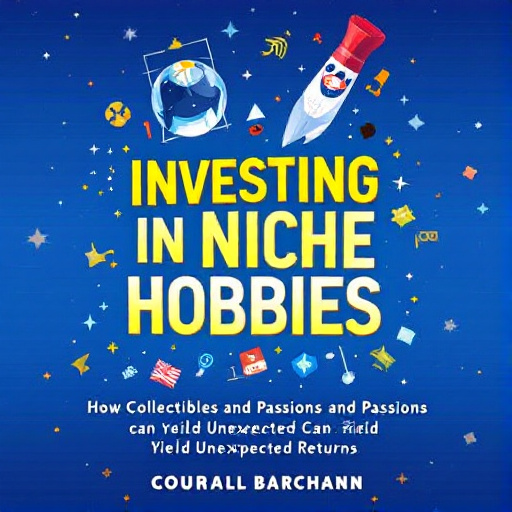
- "Investing in Niche Hobbies: How Collectibles and Passions Can Yield Unexpected Returns"
- Investing in the Metaverse: Uncovering Hidden Assets in Virtual Real Estate
- Investing in the Uncanny: How the Paranormal Can Inform Your Financial Decisions
- "Investing in the Unseen: How Your Coffee Habit Can Predict Market Trends!"
- Investing in Uncertainty: How Wild Futures and Risky Ventures Can Propel Your Financial Growth
"Investing in Niche Hobbies: How Collectibles and Passions Can Yield Unexpected Returns"
"Investing in Niche Hobbies: How Collectibles and Passions Can Yield Unexpected Returns"
Investing in niche hobbies, particularly collectibles and personal passions, can often yield substantial and unexpected financial returns. This guide explores the financial viability of various hobbies, telling the stories of successful collectors while providing practical advice on how to navigate this unique investment landscape.
The Allure of Collectibles
Collectibles, from vintage toys to rare coins, have intrigued enthusiasts for generations. However, it’s not just about the thrill of the hunt; these items often appreciate in value, making them not only a passion but a smart financial move.
Where the Money Lies: Hard Statistics
According to a 2021 report by the Knight Frank Luxury Investment Index, collectibles as an investment class have outperformed traditional asset classes such as stocks and bonds, returning an average of 13% annually over the past decade. This impressive statistic is underscored by the fact that rare stamps recently sold at auction for over $9.5 million, highlighting the potential for significant returns in this arena.
Passion Projects: More Than Just a Hobby
Many people invest in hobbies, believing that their passion is just a recreational pursuit. But what if I told you that pursuing what you love can also be financially rewarding? Take, for example, the world of vintage vinyl records. With nostalgia for the '70s and '80s making a comeback, certain albums can sell for thousands of dollars.
Case Study: The Vinyl Comeback Story
Meet Sarah, a 28-year-old graphic designer who turned her love for music into a side business. She started collecting vinyl records in her college years and developed a keen eye for rare pressings. Today, she operates an online store where she sells sought-after records, with some fetching prices well above $500. “What started as a passion turned into a lucrative side hustle,” Sarah says.
Venture into the World of Toys
Children’s toys are another genre where savvy investors can make a profit. According to a recent report from Collectors Weekly, certain toys from the 1980s, like vintage Transformers and LEGO sets, have seen values increase by as much as 500% since their release. The market has exploded, particularly for pristine-condition items still in their original packaging.
The Riskiest Ventures: Know Your Field
It's crucial to remember that not all collectibles ensure a good return. Some investments can be incredibly volatile, akin to the stock market. For instance, the Beanie Baby craze of the late '90s attracted thousands of new collectors only to see the bubble burst in the early 2000s, leaving many with worthless plush toys in their basements.
The Road to Financial Wisdom
For those contemplating a leap into collectibles, education is key. Familiarize yourself with market trends through resources like industry blogs, online forums, and auction results. Joining clubs related to your interest can yield not only camaraderie but also valuable information on where to source the best items.
Unique Items: The Hidden Goldmines
When talking about collectibles, it’s not just about the main stream items. Surprising investments can be found in the most unexpected places. Take wrestling memorabilia, for instance; figures like the late Ultimate Warrior have recently sold for up to $21,000! Who knew that a colorful action figure could pack such a punch?
Investing 101: Not Just for the Wealthy
One common misconception is that investing requires significant capital. However, it’s possible to begin with relatively small investments. Start with what interests you, and look for opportunities. Auctions or estate sales can be treasure troves with hidden jewels waiting to be discovered.
Wheeling and Dealing: The Kids Are Alright
Even teenagers are getting in on the action! Take the story of Jordan, a 17-year-old high school student who started flipping Pokémon cards. He began with a $100 investment, gradually expanding his collection by trading and selling cards, some of which have recently sold for over $1,000 at auction. “I didn't think making money could be so fun!” he says.
The Cream Rises: Expert Insights
Experts suggest some strategic approaches in the niche hobby investing landscape. “Don’t focus solely on potential profit, but also on personal enjoyment,” advises Dr. Emily Corson, an economic anthropologist specializing in collectibles. “When you love what you do, the process will naturally create opportunities.”
Cultural Considerations: The Impact of Trends
Fads can come and go like the seasons, making timing everything. In recent years, items connected to pop culture—think vintage video games or comic books —have skyrocketed in popularity, driven in part by nostalgia and the accessibility of online marketplaces. Tracking popular culture trends can provide insights into what might become valuable.
Don’t Forget the Digital Age
We're in an era where tech intersects with collectibles. NFTs (non-fungible tokens) have emerged as a hot topic, with some digital art pieces selling for millions. For young collectors, this new frontier can be exciting but also risky. It requires a different knowledge set compared to physical collectibles, and the market can be notoriously fickle.
Creating a Diversified Portfolio
Just like with stocks, diversifying your collectibles portfolio can mitigate risks. Aim to invest in several areas, whether it be sports memorabilia, comic books, vintage fashion, or even rare books. Create a strategy that best fits your interests while exploring various categories; that will help spread out financial risks.
Success Stories: Personal Accounts
Dave, a 45-year-old retiree, started collecting early rock-n-roll memorabilia during his college years. His passion for music turned into a collection worth over $200,000 today, thanks to a few well-placed investments in rare concert posters and signed records. “It pays to keep your ear to the ground and stay connected to the community,” says Dave.
Concluding Thoughts
Investing in niche hobbies can be a rewarding experience both emotionally and financially. With a combination of passion and careful planning, anyone can turn their collectible interests into a valuable asset. So whether you're 16 or 70, it's never too late to dive into the world of collectibles and see what treasures you might unearth.
Take the First Step
Ultimately, passion fuels investment, and in the world of collectibles, your enthusiasm is your best asset. So why not pick up that vintage action figure or that rare vinyl record? You might just end up finding a treasure trove of not only joy but potential profit waiting for you!
Related Articles