Featured Articles
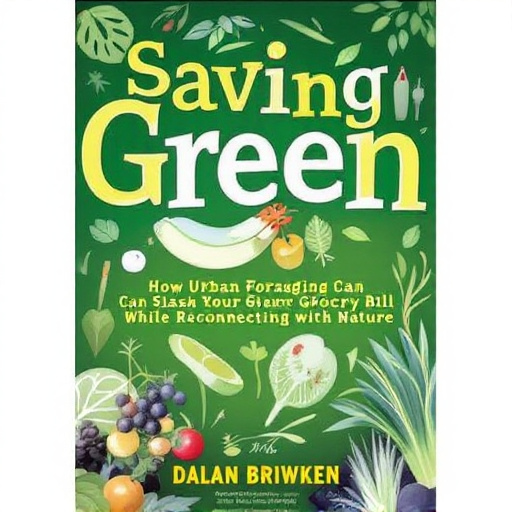
- "Saving Green: How Urban Foraging Can Slash Your Grocery Bill While Reconnecting with Nature"
- Saving Space, Saving Cash: Uncovering the Financial Benefits of Minimalist Living and Decluttering Your Life
- The Surprising Savings Secrets of Minimalist Living: How Less Can Mean More in Your Wallet
- Unconventional Savings: How Quirky Hobbies Can Boost Your Budget and Cut Costs!
- Unlocking Frugality: How Minimalist Living Can Transform Your Savings Habits Forever
"Saving Green: How Urban Foraging Can Slash Your Grocery Bill While Reconnecting with Nature"
"Saving Green: How Urban Foraging Can Slash Your Grocery Bill While Reconnecting with Nature"
Urban foraging is more than just a trendy practice; it’s a practical way to save money on groceries while fostering a deeper connection with nature. This article explores how this age-old practice can reduce weekly expenses, provide fresh, nutritious food options, and promote community engagement.
What is Urban Foraging?
Urban foraging involves searching for edible plants, fruits, nuts, and even mushrooms in urban settings. This practice has roots that trace back to our ancestors who relied on wild food sources for survival. Today, it is gaining traction among city dwellers looking to save money and lead a more sustainable lifestyle.
The Savings Add Up
According to a study by the U.S. Department of Agriculture, a family of four spends an average of $500 a month on groceries. Imagine reducing that by even a fraction through foraging! For instance, gathering just a few wild berries or greens could easily cut down on that monthly bill. In fact, enthusiasts have reported saving up to 20% on their groceries, and that figure could be even higher for those who dive deep into foraging.
A Beginner's Guide to Foraging
If you're new to foraging, start small. Choose a park or green space near your home, and focus on commonly found plants like dandelions, purslane, or wild garlic. Platforms like “Wild Edibles” are excellent resources for identifying local forageable plants. A simple rule of thumb is: “When in doubt, don’t eat it!” Always conduct thorough research before consuming any wild plants.
Foraging Safety
One can’t stress enough the importance of safety while foraging. Many edible plants have toxic look-alikes. For example, the wild carrot (Queen Anne's lace) resembles the toxic hemlock, so identifying features such as the flower's color and overall plant structure is crucial. Consider joining local foraging meetups or workshops led by experts to gain hands-on experience.
Community & Connection
Urban foraging doesn’t just save money; it also fosters community spirit. Many cities have foraging groups where members share tips and locations. This camaraderie reminds us that food does not always come from grocery store aisles. Instead, it can be found outside, opening avenues for conversations around sustainability and local biodiversity.
A Foraging Story
Let me tell you about my friend Sarah, a 22-year-old college student who was struggling to make ends meet. Upon joining a local foraging group, she discovered a whole new world of food. She became enamored with the idea of supplementing her diet with free, nutritious ingredients. One day, she collected enough wild blueberries to make a week’s worth of smoothies—all for the price of a short hike! The joy she felt while picking those berries was as nourishing as the food itself.
Health Benefits of Foraging
Not only does foraging save you money, but it also promotes health. Organic, fresh foods often contain more nutrients than their store-bought counterparts. A 2019 study published in the journal "Nutrients" found that foraged plants have higher levels of antioxidants compared to domesticated varieties. By choosing to forage, you're not just saving money, but also nourishing your body in a way that supports its needs.
The Psychology of Foraging
Foraging encourages mindfulness, which is particularly important in today's fast-paced world. Engaging with nature allows us to step back from our digital devices and appreciate the simplicity of the moment. The act of seeking out wild food can be a meditative process, allowing individuals to be present and aware of their surrounding environment.
Legal Considerations
While foraging can be a delightful adventure, remember that not all land is open for foraging. Some public parks and private properties have restrictions, and harvesting plants without permission can lead to fines. Always check local laws or ask property owners if foraging is allowed in their area. This simple step can save you from legal trouble, all while respecting nature's boundaries.
Urban Foraging and Sustainability
Urban foraging aligns perfectly with sustainable living practices. For instance, by reducing the need to purchase food, you’re also lessening your carbon footprint associated with transportation and mass production. A 2021 report from the Food and Agriculture Organization (FAO) indicated that urban agriculture, including foraging, can reduce greenhouse gas emissions significantly. So, not only do foragers save money, they contribute positively to the planet!
Spotlight on Successful Foragers
Adventurer and author, Langdon Cook, has spent years exploring the wild edibles around Seattle. His book, "The Wild Wisdom of Weeds," details the edible and medicinal properties of many common urban plants. Cook emphasizes the importance of adapting to your environment—urban foragers can find nourishment even in concrete jungles! His success story encourages many city-dwellers to put on their walking shoes and embrace the wild treasures that surround them.
Fun and Delicious Foraging Recipes
Once you've mastered foraging, the next fun step is cooking! Here’s a simple herb salad using common wild greens:
- 1 cup of dandelion leaves
- 1 cup of chickweed
- 1 cup of wild garlic leaves
- Olive oil, lemon juice, and a pinch of salt for dressing
Mix all ingredients in a bowl and toss with your dressing of choice. Enjoy the freshness and vibrant flavors of the wild!
Foraging: A Family Activity
Wondering how to get younger family members excited about foraging? Turn it into an adventurous treasure hunt! By teaching them about local edible plants, you can cultivate a love for the outdoors that lasts a lifetime. Making it a fun family activity encourages healthy eating, teamwork, and a deep appreciation for nature.
The Future of Urban Foraging
With the growing movement toward sustainable living and self-sufficiency, urban foraging is poised to enter mainstream practices. Local governments may implement educational programs to inform residents about food sources within their cities, paving the way for community gardens and foraging trails. We can envision a future where foraged food becomes a part of everyday cuisine, and communities thrive on knowledge and respect for nature.
Conclusion: Embrace the Green Goodness
Saving green with urban foraging is not just about slashing grocery bills; it’s about enriching your life with experiences and knowledge that deepen your connection to your environment. From understanding local ecosystems to engaging your community, foraging can transform the way you view food and nature as a whole. So, lace up your shoes, grab a basket, and start exploring the bountiful delights your city has to offer!
Related Articles