Featured Articles
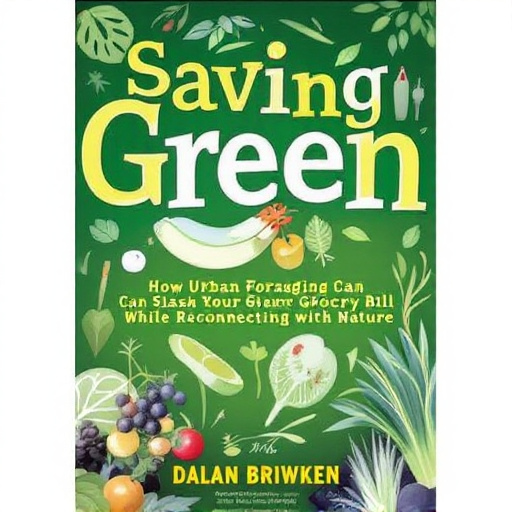
- "Saving Green: How Urban Foraging Can Slash Your Grocery Bill While Reconnecting with Nature"
- Saving Space, Saving Cash: Uncovering the Financial Benefits of Minimalist Living and Decluttering Your Life
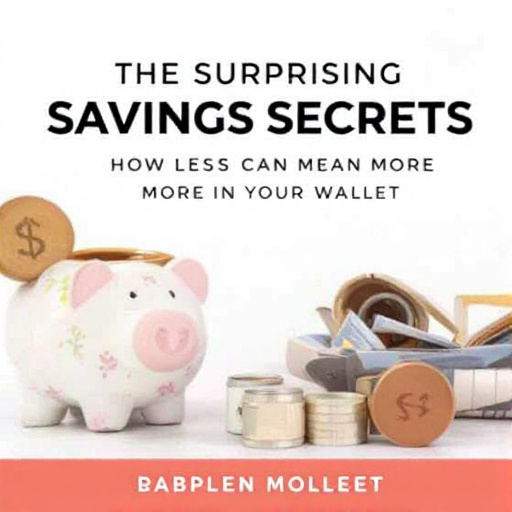
- The Surprising Savings Secrets of Minimalist Living: How Less Can Mean More in Your Wallet
- Unconventional Savings: How Quirky Hobbies Can Boost Your Budget and Cut Costs!
- Unlocking Frugality: How Minimalist Living Can Transform Your Savings Habits Forever
Unlocking the Savings Secret: How Minimalism Can Transform Your Wallet and Mindset
Unlocking the Savings Secret: How Minimalism Can Transform Your Wallet and Mindset
Minimalism isn't just a design aesthetic; it's a lifestyle that can drastically improve your finances and your mindset. By reducing clutter and focusing on what truly matters, you can unlock profound savings while cultivating a fulfilling life.
The Basics of Minimalism
Minimalism, at its core, is about intentionality. It's removing the excess—both in physical possessions and mental distractions—to focus on what adds value to your life. According to a 2019 survey by the American Psychological Association, nearly 60% of adults report feeling overwhelmed by the pressures of modern life. Adopting a minimalist approach can help alleviate that stress.
Breaking Down the Numbers
Imagine this: You walk through your closet and find dozens of clothes, yet you often wear the same few outfits. Research suggests that the average American spends over $1,700 annually on clothing—much of which goes unworn. By decluttering and adopting a more minimalist wardrobe, you could cut those costs in half, saving approximately $850 a year.
It’s a Lifestyle Choice
Minimalism doesn’t have to mean living out of a suitcase or having an empty apartment. It can be as simple as deciding to own fewer items or prioritizing quality over quantity. One influential minimalist, Joshua Becker, wrote in his book "The More of Less" that decluttering your life can lead to newfound freedom and purpose. It’s about choosing what truly matters and letting go of the rest.
Less Stress, More Savings
Picture this scenario: You’re late to work, fumbling through a messy closet filled with clothes you've forgotten you even owned. The stress of clutter is not only harmful to your mental well-being but also creates unnecessary financial strains, as you may end up purchasing duplicate items because you can't find what you need. A minimalist lifestyle allows you to streamline your daily routine, reducing that stress and freeing up financial resources.
A Case Study: The Johnson Family
The Johnson family decided to embrace minimalism after realizing they were spending more than they earned—which is a common issue in many American households. After decluttering their home and focusing on experiences rather than possessions, they reported a 30% reduction in their monthly expenses. “We started prioritizing family outings instead of shopping trips, and it has made all the difference,” Mrs. Johnson said.
The Wallet-Friendly Shift
Shifting towards minimalism can lead to immediate financial benefits. By reducing impulse purchases and adopting a mindset of mindfulness, you're likely to experience fewer financial regrets. According to the Bureau of Labor Statistics, the average household spends over $7,000 a year on non-essential goods. Minimalism encourages you to scrutinize those purchases more closely, helping you keep your budget intact.
Mindset Over Matter
There’s a common saying in minimalism: "The less you need, the more you have." This reflects the truth that our desires can often control us, leading to feelings of inadequacy. A study by Cornell University revealed that people are more likely to feel satisfied and fulfilled when they focus on experiences rather than material possessions. When you choose to prioritize experiences, your wallet will naturally benefit as well.
Frequently Asked Questions About Minimalism
Q: Isn’t minimalism just a trend?
A: While it has gained popularity, the principles of minimalism have been around for centuries. They resonate because they offer a practical solution to modern clutter.
Q: Do I have to get rid of everything?
A: No! Minimalism is about finding your comfort level. Start small and decide what items in your life continue to bring you joy and value.
Practical Steps to Start Saving
If you're intrigued by the idea of minimalism but unsure where to begin, here are some simple steps to help you start the transformative process:
- Declutter: Identify areas in your home and life that feel cluttered, and take measurable steps to streamline them.
- Create a shopping list: Before you hit the stores (or online shopping sites), write down what you actually need.
- Evaluate your subscriptions: Check for unused memberships and services that are draining your finances.
- Practice mindful spending: Before every purchase, consider how that item will fit into your life and if it reflects your core values.
People Before Things
In a bold statement, Dave Bruno, author of "The 100 Things Challenge," posits that “the less you own, the more you can focus on the quality of your relationships.” This sentiment reveals a profound truth about human nature; we often seek connection and meaning over material gain. By minimizing your possessions, you free up both time and emotional bandwidth, allowing you to nurture relationships that matter.
Finding Your Own Minimalism
Everyone's version of minimalism will look different. Some might thrive in homes with only a few pieces of furniture, while others might prefer a cozy setup with more personality. My good friend Sam, for example, opted for a book-free living room, favoring a well-stocked library instead. He feels more connected with literature while enjoying a tidier space that enhances mental clarity.
Tales from the Trenches
Let’s take a more humorous approach to minimalism. A friend of mine had a 'collectibles' phase that amassed enough figurines to fill an entire room. He claimed they brought him joy, but when he realized he had just as much dusting to do as enjoyment, something had to give. He embraced minimalism, discarded half the items, and ironically found that the freed-up space was the true treasure.
Conclusion: The True Value of Minimalism
When you strip away the distractions and excess, you're left with clarity—both in your surroundings and your finances. Minimalism invites you to question what you really need and helps you cultivate a mindset focused on joyful living and intentional choices. So why not take that first step? It may just lead to the most significant transformation of your life, for your wallet and your spirit alike.
In conclusion, the minimalist lifestyle reveals a simple yet profound truth: less can indeed be more. By embracing this mindset, you can unlock financial savings while also enriching your overall well-being. Why not join the movement today? Your wallet—and your peace of mind—will thank you!
Related Articles