Featured Articles
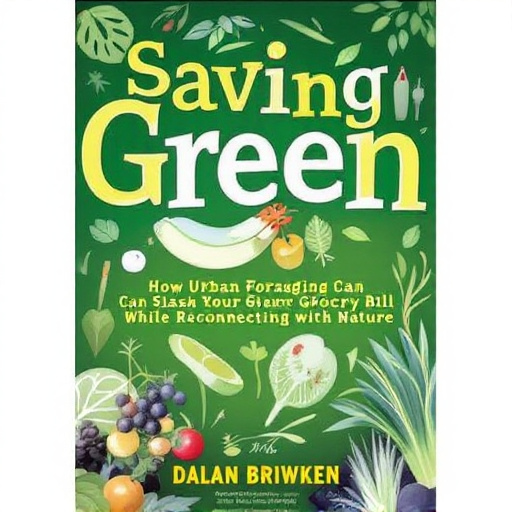
- "Saving Green: How Urban Foraging Can Slash Your Grocery Bill While Reconnecting with Nature"
- Saving Space, Saving Cash: Uncovering the Financial Benefits of Minimalist Living and Decluttering Your Life
- The Surprising Savings Secrets of Minimalist Living: How Less Can Mean More in Your Wallet
- Unconventional Savings: How Quirky Hobbies Can Boost Your Budget and Cut Costs!
- Unlocking Frugality: How Minimalist Living Can Transform Your Savings Habits Forever
Unlocking the Savings Secret: How Minimalism Can Transform Your Wallet and Mindset
Unlocking the Savings Secret: How Minimalism Can Transform Your Wallet and Mindset
മിതിമാറ്റത്തിന്റെ രഹസ്യം കണ്ടെത്തുന്നതിലൂടെ, നാം വാലറ്റും മനസ്സും മാറ്റിയെടുക്കാൻ സാധിക്കുന്നു. ഈ ലേഖനത്തിൽ, മിതിമാറ്റം എങ്ങനെ ധനസമൃദ്ധിയും ആത്മാവിന്റെ ശാന്തയുമായി ബന്ധപ്പെട്ടിരിക്കുന്നു എന്നതിനെ ഏറ്റവും വിവർത്തനാത്മകമായി പരിശോധിക്കാം.
Minimalism: A Fresh Perspective on Life
I'm 28, living in a bustling urban environment where materialism reigns supreme. But I discovered minimalism, and it was like opening a window to fresh air. The question is: Can you really save money while living a life of less? Absolutely!
Statistical Insights
According to a study by the Journal of Consumer Research, individuals who practice minimalism report a 30% reduction in unnecessary spending. Something as simple as decluttering can lead to clearer thoughts and priorities, which in turn translates to smarter financial choices.
Why Minimalism?
Imagine walking into a room that is not cluttered. It feels refreshing, doesn't it? Minimalism isn't just about living with less; it’s a philosophy that encourages you to keep only what adds value to your life. When you apply this mantra to your shopping habits, you make way for savings.
Case Study: The Smiths
Let's take the example of the Smith family. After adopting minimalism, they reduced their monthly expenditures by over $500 just by cutting back on impulse buys and prioritizing needs over wants. They reclaimed their financial freedom and created a sustainable long-term budget.
Transforming Your Spending Habits
You don’t need to overhaul your life overnight. Start small—perhaps with the 30-Day Minimalism Game. Each day, you declutter one item, and by the end of the month, you’d have given away or discarded 465 things! That's a lot of space—and savings.
Personal Finance Meets Minimalism
When you focus on what you truly need, you’ll find that your expenditure decreases significantly. According to a report from Bankrate, 59% of Americans don’t have $1,000 saved for emergencies. Being a minimalist allows you to save for those emergencies, giving you peace of mind.
Lifestyle Changes
Minimalism is also about making intentional lifestyle choices. Instead of frequent dining out and buying new clothes, consider cooking at home and shopping second-hand. Not only is it budget-friendly, but it also encourages creativity. You might just discover a culinary skill you didn’t know you had!
Humor Meets Saving
Have you ever noticed how we often buy stuff we didn’t know we needed? Like that avocado slicer you used once? It might as well have been a mini spaceship with how much you spent on it! Minimalism teaches us that buying less actually leads to more—more freedom, more savings, and fewer regrets.
Mental Well-being and Financial Freedom
As a millennial grappling with fluctuating incomes and rising living costs, I understand stress. A survey from American Psychological Association states that financial stress impacts mental health and relationships. Embracing minimalism can not only lighten your wallet but also your mind.
Reevaluation of Values
Minimalism leads to introspection. It prompts us to evaluate what we value the most in life. Whether it’s time with family, travel, or investing in experiences, understanding this can prevent us from getting entangled in the constant desire for more "stuff.”
Is Minimalism for Everyone?
This lifestyle may not resonate with everyone, and that’s okay! But if you find yourself feeling overwhelmed by possessions and debt, maybe it’s time to explore this philosophy. Everyone starts at different points; even small changes can yield big results over time.
Join the Movement
There’s a growing community surrounding minimalism. From Instagram influencers to local meet-ups, you can find support and inspiration. A simple hashtag search like #minimalism can unveil countless stories of transformation.
Conclusion: The Power of Less
The mantra of "less is more" resonates deeply in both financial and mental landscapes. Embracing minimalism can lead to a more fulfilling life where every purchase is intentional, and every moment is appreciated. Imagine an existence where financial freedom and mental clarity coexist harmoniously—it’s not just a dream; it’s a choice.
Related Articles