Featured Articles
- Cryptocurrency and Mental Health: How Digital Assets Impact Your Financial Well-Being
- Cryptocurrency Gentrification: How Digital Currencies Are Shaping Neighborhood Economies and Personal Wealth
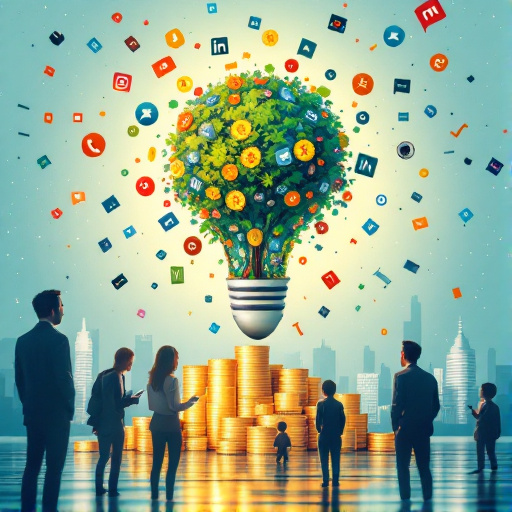
- Harnessing the Side Hustle: How Digital Nomadism is Reshaping Personal Finance Strategies for the Future
- The Hidden Cost of Convenience: How Instant Gratification is Sabotaging Your Financial Future
- The Hidden Costs of Your Digital Life: How Everyday Apps are Draining Your Wallet
Harnessing the Side Hustle: How Digital Nomadism is Reshaping Personal Finance Strategies for the Future
Harnessing the Side Hustle: How Digital Nomadism is Reshaping Personal Finance Strategies for the Future
Digital nomadism is revolutionizing the way we think about work, leading to a surge in side hustles that reshape personal finance strategies. In this article, we will explore how the evolution of the workforce is altering financial planning, the rise of remote work culture, practical tips for future-proofing finances, and compelling stories of those embracing this lifestyle.
The Rise of the Digital Nomad
With the increase in remote work opportunities, particularly accelerated by the COVID-19 pandemic, the digital nomad lifestyle has gained immense popularity. In a survey conducted by Buffer in 2021, 97% of remote workers stated they would like to continue working remotely, at least part-time, even after the pandemic. This shift has paved the way for individuals to pursue side hustles alongside their main careers, fundamentally altering their financial landscapes.
Defining Digital Nomadism
Digital nomadism refers to a lifestyle that combines travel with remote work. Digital nomads use technology to earn a living and conduct their life in a nomadic manner. This lifestyle can be seen as modern-day adventurers, but instead of exploring uncharted territories or distant lands as their ancestors did, they explore new cultures and experiences, all while working from laptops in cafes, co-working spaces, or the comfort of their Airbnb.
The Financial Freedom Dividend
One of the most enticing aspects of digital nomadism is the potential for financial freedom. Many nomads find that side hustles, whether freelance writing, graphic design, dropshipping, or teaching languages, allow them to not only sustain their travels but also build a safety net for the future. According to a 2023 report by Nomadic Matt, over 68% of digital nomads have at least one side hustle, with many earning more from it than from traditional employment.
Breaking Down Financial Strategies
So, how does one navigate this new terrain of financial planning? First and foremost, it’s essential to diversify income streams. Relying solely on one source of income, especially in the unpredictable realm of remote work, can be a risky gamble. By integrating multiple income sources, digital nomads can protect their finances from sudden downturns.
Consider Tanya, a 34-year-old content marketer who took the leap into digital nomadism three years ago. She started by offering freelance services on platforms like Upwork and Fiverr while maintaining her marketing position. Tanya now earns 40% of her income through freelance work, allowing her to travel to places like Bali and Lisbon while saving for retirement.
The Psychology of a Side Hustle
Embracing a side hustle goes beyond just financial benefit; it’s a catalyst for personal growth. For many, it ignites creativity and opens doors to networking opportunities. Research from the Freelancers Union indicates that 79% of freelancers express higher levels of satisfaction with their work life compared to traditional employees. This could be attributed to the autonomy and flexibility that come with freelance gigs.
Budgeting While Roaming
Creating an effective budget is crucial for digital nomads, where the cost of living can vary significantly from one location to another. The ‘50-30-20’ rule serves as a great foundation: 50% of income should go toward needs, 30% to wants, and 20% to savings or debt repayment. However, being a digital nomad might require some tweaking. For instance, while living in Thailand, where the cost of living is significantly lower compared to cities like New York, you might reallocate more funds into travel experiences and savings.
Case Study: Jacob's Nomadic Journey
Meet Jacob, a 28-year-old software developer who left his corporate job to pursue a nomadic lifestyle. He had always dreamed of traveling the world but felt stuck in his 9-to-5. By taking on freelance projects that complemented his skills, Jacob was able to transition smoothly, maintaining a steady income while exploring different countries. His budgeting strategy? Using a digital tool called Mint to track expenses while setting aside 25% of his monthly income to invest in stocks. His results? A diversified portfolio that has grown by 15% annually over the past three years.
The Impact of Technology on Personal Finance
Technology plays a vital role in personal finance strategies for digital nomads. From budgeting apps to investment platforms, the tools available today make it easier to stay on top of finances. Popular apps such as YNAB (You Need A Budget) and Personal Capital allow users to create budgets, track investments, and monitor financial health—all in real-time, regardless of location.
Embracing Financial Literacy
Understanding the principles of personal finance is essential in this new landscape. Many digital nomads have taken it upon themselves to enhance their financial skills. A report from the National Endowment for Financial Education (NEFE) shows that 60% of millennials actively seek knowledge about investing and saving. Online courses and financial podcasts are making personal finance education accessible, empowering digital nomads to make informed decisions.
Saving for Retirement: A Digital Nomad's Dilemma
Retirement planning can seem daunting for digital nomads. With no traditional 401(k) plans in place, it’s crucial to establish personal retirement accounts. Options such as IRAs or Solo 401(k)s offer flexibility and tax advantages. According to a report from Fidelity Investments, 58% of workers do not think they will have enough saved for retirement, so starting early and understanding these options can create a foundation for future financial security.
Finding Your Niche in the Side Hustle Arena
Finding a side hustle that aligns with your skills and passions is key. The gig economy offers boundless opportunities: graphic design, web development, creating online courses, blogging, or consulting services. Understanding market trends is crucial for success. For instance, the eLearning market has exploded in recent years, with a projected growth of $375 billion by 2026, offering immense potential for those who create educational content.
Fostering a Community of Support
Being a digital nomad can also feel isolating, but building a community is vital for success. Online forums, social media groups, and local meet-up events offer networks of support and advice. For example, Meetup.com allows digital nomads to connect with like-minded individuals in their current location, fostering relationships that can lead to new business opportunities.
The Humor in the Journey
Let’s not forget the humorous aspect of being a digital nomad. Misadventures are part and parcel of the journey. For instance, I recall sitting in a café in Thailand, calmly working, only to realize I had accidentally sent a client a meme meant for a friend. The client loved it, and in a surprising twist, they hired me for a future project! This incident perfectly encapsulates how high-pressure environments can sometimes yield unexpected results.
The Future is Flexible
As the work landscape continues to evolve, the importance of flexibility and adaptability in personal finance will only grow. Digital nomadism is more than just a lifestyle choice—it’s a statement about freedom, self-discovery, and resilience in the face of economic challenges. By leveraging side hustles and embracing a digital mindset, individuals are not just surviving; they are thriving.
Final Thoughts and Moving Forward
The intersection of digital nomadism and personal finance is rife with opportunities for those ready to adapt. Whether you’re a fresh graduate eyeing a gap year of travel or a seasoned professional seeking to escape the conventional 9-to-5 grind, remember: financial education is key. Embrace the journey, harness your side hustle, and ensure your finances are as adventurous as your lifestyle.
Conclusion: The World is Your Office
Ultimately, the era of digital nomadism is transforming personal finance strategies, paving the way for a horizontally integrated workforce where side hustles play a critical role. Whether you are just starting out from your parents’ home or eyeing a retirement filled with travels, the adaptable, tech-savvy mindset of a digital nomad can provide valuable lessons for everyone.
Related Articles