Featured Articles
- Navigating the Retirement 'Gig Economy': Unconventional Income Streams for Financial Freedom in Later Years
- "Retirement in the Metaverse: How Virtual Realities are Shaping Future Financial Security"
- "Retirement Rebellion: Why Young Investors Are Ditching 401(k)s for Financial Independence Movements"
- Retirement Reimagined: How Digital Nomadism is Redefining Traditional Retirement Planning
- Retirement Reimagined: How NFTs and Digital Art Are Shaping Future Financial Freedom
"Retirement Rebellion: Why Young Investors Are Ditching 401(k)s for Financial Independence Movements"
"Retirement Rebellion: Why Young Investors Are Ditching 401(k)s for Financial Independence Movements"
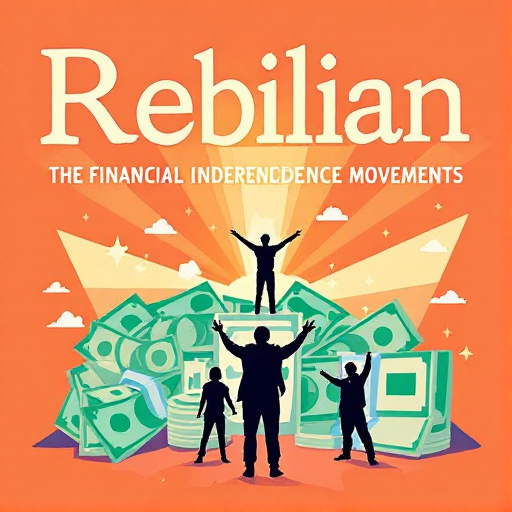
Young investors are increasingly abandoning traditional 401(k) plans, seeking alternative routes to financial independence. This shift in mindset reflects a broader rebellion against conventional retirement norms and an embrace of personalized wealth-building strategies.
The Shift in Paradigm
Imagine a world where financial freedom isn't defined by working until you're 65. For many young investors, the traditional 401(k) is starting to feel more like a trap than a tool for securing a future.
Financial Independence: A Modern Pursuit
The movement towards financial independence (FI) and early retirement (RE) often encapsulates a community of individuals who share a singular goal: to escape the 9-to-5 grind as early as possible. According to a 2023 survey by Bankrate, 54% of millennials and 47% of Gen Z respondents said they would prefer to invest in entrepreneurial ventures rather than contribute to a 401(k). This shift signifies a longing for autonomy and a willingness to ditch the status quo.
401(k) Myths Dispelled
Many young investors feel that 401(k)s come with strings attached—namely, the complication of high fees, limited investment choices, and penalties for early withdrawal. A study published in the Journal of Financial Planning noted that nearly 40% of participants did not fully understand their 401(k) plans, leading to suboptimal investment choices. Contrast this with the more straightforward options available to those pursuing FI: index funds, real estate, and even cryptocurrency.
A New Financial Blueprint
Let's consider Sarah, a 29-year-old software engineer based in Austin. After stumbling onto a podcast about FIRE (Financial Independence, Retire Early), she began shifting her investment strategy. Instead of the standard 401(k), Sarah invested in low-cost index funds that match the market’s performance, reducing her fees and maximizing her gains. Her decision paid off; she reached her first $100,000 within three years, a milestone she feels far more in control of compared to her previous job-sponsored retirement fund.
The Rise of Alternatives
The adventures of trendsetters like Sarah underscore a broader trend. Alternatives to traditional retirement savings—like Roth IRAs, Health Savings Accounts (HSAs), and even peer-to-peer lending—are seeing a surge in popularity. According to The Motley Fool, participation in IRAs increased by 26% among people under 40 from 2021 to 2023, indicating that they prefer self-directed choices over employer-driven retirement plans.
It’s Not Just About Money
Surprisingly, young investors aren’t just ditching 401(k)s for potential higher returns; this rebellion is also about lifestyle choices. With the ever-growing digital nomad culture and the gig economy sprouting up, young investors want investments that enable their lifestyles rather than restrict them. In a casual survey conducted in 2023, 67% of digital nomads indicated that investing in creative projects or small businesses provided them greater satisfaction than traditional retirement plans.
The Path Less Traveled
One might chuckle at the idea of trading stocks for side hustles, yet the gig economy is unfolding its advantages. As reported by Upwork’s “Freelancing in America” 2023 report, 36% of workers in the U.S. freelanced in some capacity. Many view this flexibility as a critical component of their financial independence, using their newly found time to create multiple income streams disconnected from the rigid structure of 401(k) plans.
Docking into the Future
Young investors are also armed with technology. The rise of robo-advisors and investment apps (like Acorns and Robinhood) has democratized the investment landscape, providing easy access to diversified portfolios. Research from Charles Schwab shows that 57% of millennial investors prefer using apps to crunch their financial numbers rather than reverting to traditional financial advisory services.
Braving the Risks
While the excitement over non-traditional investments is palpable, it’s essential to recognize the risks. It's not just a question of whether to contribute to a 401(k) anymore; it’s also about risk assessment and education. The fact is, 62% of Millennials acknowledge that they don’t feel prepared for managing investments, as outlined in a 2023 report by the National Endowment for Financial Education.
Balancing Act of Risk and Reward
Let's pivot to Jenna, a 32-year-old entrepreneur who made headlines for her unconventional approach to investing. When Jenna was advised to max out her employer-sponsored plan in her early 20s, she opted for angel investments instead. Although this path comes with its own set of uncertainties, Jenna has learned valuable lessons in risk management and negotiation skills that have improved her overall financial literacy.
Community Over Isolation
What makes these movements thrive is the social aspect. Millennials and Gen Zers are sharing their journeys on platforms like TikTok and Instagram under hashtags like #FI and #FIRE. Anecdotal evidence suggests that social media can offer more good old-fashioned advice than brick-and-mortar banks. According to a 2023 survey by Sprout Social, 60% of millennials trust influencers more than traditional financial advisors when it comes to financial advice.
Changing the Narrative on Retirement
Then there’s the story of Mike, a 25-year-old financial educator, who began emphasizing not just saving for retirement but also investing in passions. He uses social media to convey how choices today shape tomorrow’s finances, encouraging peers to view financial independence as a lifestyle—not simply a number in a bank account. In a world of gig work, side hustles, and entrepreneurial ventures, retirement doesn't mean what it used to.…and that's a realization changing how we think about our lives.
The Final Say: Where Do We Go From Here?
The real question remains: what will this rebellion mean for the future of retirement? For many, it means adapting to ongoing changes and remaining resilient in a dynamic market. As the landscape of finance continues to evolve, one can only hope that financial education evolves too, guiding the next generation toward informed choices.
The Explorers' Blueprint
In conclusion, the rebellion against traditional 401(k)s is a movement fueled by a desire for autonomy, flexibility, and broader horizons. If you find yourself in the middle of this shift, remember: it's okay to question what has been. With more tools than ever at your disposal, you have the power to create your financial narrative, one that aligns with your unique aspirations and lifestyle desires.
With experience and knowledge at your fingertips, the possibilities are endless—and who knows? The terms 'retirement' or '401(k)' might just be relics of a bygone era, replaced by something far more liberating.
Related Articles