Featured Articles
- Navigating the Retirement 'Gig Economy': Unconventional Income Streams for Financial Freedom in Later Years
- "Retirement in the Metaverse: How Virtual Realities are Shaping Future Financial Security"
- "Retirement Rebellion: Why Young Investors Are Ditching 401(k)s for Financial Independence Movements"
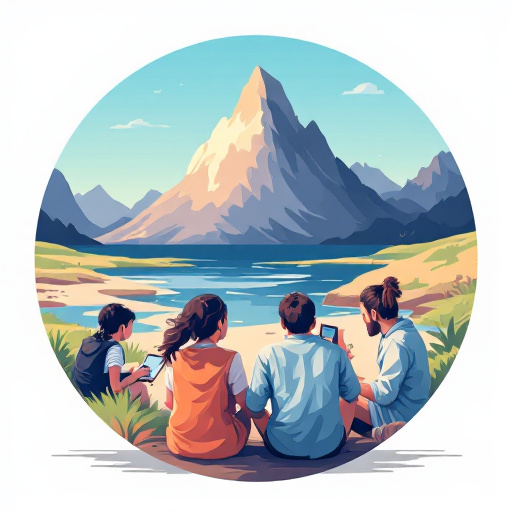
- Retirement Reimagined: How Digital Nomadism is Redefining Traditional Retirement Planning
- Retirement Reimagined: How NFTs and Digital Art Are Shaping Future Financial Freedom
Retirement Reimagined: How Digital Nomadism is Redefining Traditional Retirement Planning
Retirement Reimagined: How Digital Nomadism is Redefining Traditional Retirement Planning
Retirement is undergoing a seismic shift as digital nomadism emerges as a viable and appealing lifestyle choice for many. With the rise of remote work and a desire for flexibility, traditional retirement planning is giving way to a more adventurous and fulfilling vision of life after work.
Introduction: What is Digital Nomadism?
Digital nomadism refers to a lifestyle that allows individuals to work remotely while traveling or living where they choose. A report by MBO Partners in 2020 indicated that there were approximately 10.9 million digital nomads in the United States alone, and this number has only grown as more companies embrace flexible work policies.
Traditional Retirement: A Thing of the Past?
Gone are the days when retirement meant sitting on a porch, drinking lemonade, and reminiscing about the good old days. A recent survey by the American Association of Retired Persons (AARP) highlighted that about 76% of boomers want to remain active during their retirement years, with many viewing retirement as an opportunity to pursue new hobbies, travel, or even start new careers.
A Case Study: The Millennial Mindset
Consider Anna, a 32-year-old graphic designer from Seattle who has embraced the digital nomad lifestyle. After years in a corporate job, she decided to quit her job and travel Southeast Asia while working remotely. "I realized that I didn’t have to wait until I was 'retired' to enjoy life," Anna said. She spends her days designing websites from a café in Bali and exploring the local culture on weekends.
The Economics of Wandering
Embracing a nomadic lifestyle can also be financially sound. According to a study by Remote Workers (2021), 54% of digital nomads report that their cost of living is significantly lower than in their home countries. This suggests that working from a cheaper destination, while earning a Western salary, can lead to substantial savings.
Planning for a New Type of Retirement
While the traditional approach to retirement focused heavily on saving for a defined period of leisure, digital nomadism encourages a more flexible approach. Instead of pinning all financial goals on a specific retirement date, individuals can integrate work and travel experiences into their plans. This blend creates a dynamic lifestyle that continues to evolve based on personal desires and career opportunities.
The Psychological Benefits
The mental health benefits of the nomadic lifestyle are profound. Research published in the "Journal of Happiness Studies" shows that experiences, especially travel, contribute to overall happiness more than material possessions do. Many digital nomads like Anna report a heightened sense of fulfillment from their journey, emphasizing that life is not about the years saved but the adventures made.
Learning from Past Generations
Historically, the idea of retirement was largely shaped by earlier generations who worked for companies until a certain age, often defined by pension plans. Boomers have started to redefine retirement through travel and exploration, leading to a more fluid understanding of what it means to retire. According to Pew Research, over 40% of boomers expect to work, some in full or part-time roles, even after "retirement." This represents a shift away from the "rest and relaxation" model toward an approach that involves continuous personal and professional growth.
Overcoming Barriers
While digital nomadism offers exciting prospects, some may face hurdles, particularly regarding healthcare, retirement savings, and maintaining work-life balance. A survey by Freelancers Union (2020) revealed that 43% of freelancers, many of whom are digital nomads, cite lack of benefits as a deterrent to fully taking the plunge. Thus, planning for healthcare through private insurance or investigating local options becomes critical.
The New Skill Set
In this new realm of work, the skill set needed to succeed as a digital nomad transcends traditional qualifications. Adaptability is key. Learning to manage time effectively, navigating foreign cultures, and utilizing various digital tools can significantly impact one's ability to thrive. Developing skills in areas such as digital marketing, coding, or even social media management will help ensure ongoing employability.
Traveling Smart: Tips from Experienced Nomads
Consider learning from those who have already paved the way. From optimizing workspaces in co-working hubs in Lisbon to managing time zones across continents, there are valuable learning lessons. As Laura, a 28-year-old remote worker living in Portugal, quips, "Why pay for an office when you can get inspired by nature and coffee shops?"
The Power of Community
Finding a supportive community can make all the difference. Websites like Nomad List, which boasts thousands of contributions from fellow nomads, can provide recommendations, encouragement, and resources. Tapping into this network can assist individuals in navigating their chosen locales. “It felt so lonely at first,” shares James, a digital marketer who has been traveling for four years. “But now, I have friends all over the world. We support each other in ways that a traditional office never could.”
Financial Investment Reimagined
Retirement savings are traditionally seen as a necessity for financial freedom in later years. However, for digital nomads, the landscape of financial investments shifts. Investing in experiences, ongoing education, and flexible portfolios is as crucial as traditional savings accounts. Financial advisors suggest considering diverse investment approaches, such as real estate in cheaper countries or index funds tailored to the gig economy.
Conclusion: Embrace the Change
Retirement, as we know it, is evolving into something far more dynamic and fulfilling. The era of digital nomadism is not merely a trend; it's an invitation to reevaluate and redesign our ideas about work and leisure. Imagine a future where the world is your office, where you can continue to learn, adapt, and enjoy life regardless of age. Whether you're 16 or 70, it’s time to embrace this new paradigm and reimagine what retirement can look like.
Final Thoughts: What’s Next for You?
So, as you think about your own retirement planning—whether it’s decades away or just around the corner—consider how the digital nomad lifestyle could influence your goals. With the world at your fingertips and technology enabling effortless communication, your “office” could very well become a sandy beach or a cozy café in a bustling city. The choice is yours, and the time to start planning your adventures is now!
In summary, whether you’re planning years in advance or exploring your next trip, the key takeaway is that retirement doesn’t need to be a rigid timeline. Instead, consider how you can intertwine work with the exploration of the world, creating a life of abundance, learning, and most importantly, joy.
Related Articles