Featured Articles
- Beyond Dollars: Unconventional Budgeting Techniques from Ancient Civilizations to Modern Minimalism
- Budgeting for Pets: Unleashing Savings on Pet Care Without Sacrificing Love or Quality
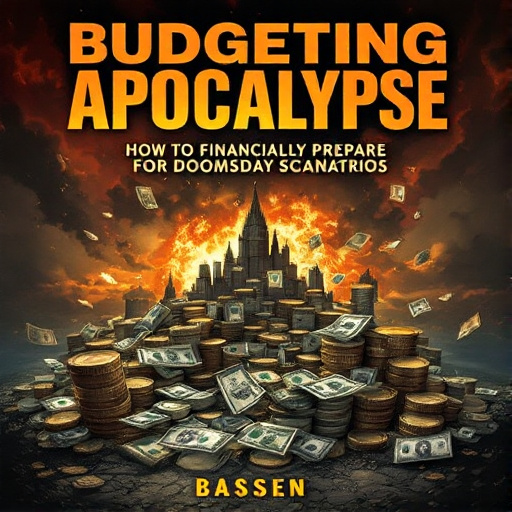
- Budgeting for the Apocalypse: How to Financially Prepare for Doomsday Scenarios
- "Budgeting for the Unconventional: How to Save While Embracing Minimalist Travel Adventures"
- "Budgeting in the Age of AI: How Smart Tech is Changing Our Spending Habits and Saving Strategies"
Beyond Dollars: Unconventional Budgeting Techniques from Ancient Civilizations to Modern Minimalism
Beyond Dollars: Unconventional Budgeting Techniques from Ancient Civilizations to Modern Minimalism
In the quest for financial well-being, many modern consumers overlook the unconventional budgeting techniques that have evolved over time. From ancient civilizations’ grain storage systems to today’s minimalist lifestyles, these methods offer unique insights into managing resources effectively.
A Journey Through Time: Budgeting in Ancient Civilizations
Let’s take a journey back to Ancient Mesopotamia, around 3000 BCE. Here, the very first known form of budgeting was practiced among the Sumerians—who were also the inventors of writing. They created notable records of their transactions on clay tablets, which allowed for better tracking of their agricultural products and trade dealings. Imagine how different the world of finance would be if we still recorded our spending by hand on clay tablets!
In fact, these ancient people understood that resources were not infinite. They relied heavily on budgeting to plan harvests and allocate food supplies among their communities. Agricultural societies learned valuable lessons about conserving resources; the Sumerians had grain silos to store excessive harvests to shield against famine. They even used a system that resembled modern-day savings accounts. This early practice of resource management reveals how deeply embedded the idea of budgeting is in human life, predating modern finance by millennia.
Roman Taxes and Budgetary Precision
Fast forward to Ancient Rome, the age of emperors with sprawling empires. The Romans introduced a more systematic approach to budgeting by engraving tax rules onto stone tablets. Their method included what we might now recognize as a rudimentary taxation system, allowing government officials to meticulously track income sources from various provinces. It’s no wonder that Rome’s impressive architectural achievements came partly from a well-maintained budget!
The Romans famously collected taxes on private goods and services. Depending on the statistics of their time, taxes could resemble what today’s accountants would consider a value-added tax (VAT). This system helped them gather considerable resources which funded public infrastructure—like roads, aqueducts, and forums. Talk about a culture that knew how to balance the books!
The Philosophy of Minimalism: Modern Day Practices
Now we leap into the 21st century, where the minimalist movement encourages a life free from clutter—not just in physical spaces, but in financial matters as well. Minimalism asks us to reconsider our needs and priorities; that is why many minimalist budgets center around spending only on essentials. Have you ever tried asking yourself, “Do I really need this?” If so, you may already be walking a minimalist path.
An astounding 78% of Americans live paycheck to paycheck, according to a 2021 survey by Lending Club. Minimalism steps in as a potential antidote to this financial chaos by promoting intentional living. It encourages you to allocate funds toward experiences, rather than just material possessions, shifting the focus from quantity to quality.
A Case Study on Minimalism: The Life of a 30-Day Challenge
For instance, Sarah, a 28-year-old marketer, embarked on a 30-day challenge inspired by minimalism. Every week she eliminated three possessions she never used, combined meal prep with simple recipes, and limited her entertainment buys. By the end of the month, Sarah had saved roughly $300! What’s more, she felt lighter, both physically and emotionally. This journey indicated how minimalism can reframe our financial life, sidelining stress while catapulting savings.
Hybrid Budgeting: The Best of Both Worlds
Blending ancient wisdom with modern minimalism reveals a compelling hybrid approach. For example, consider a modern version of the Sumerian grain silo. Today, people are utilizing technology such as budgeting apps to track their spending while adhering to principles of minimalism. Apps like Mint and YNAB (You Need A Budget) allow users to categorize their expenses, set monthly budgets, and visualize their financial goals—all with the same precision the Romans engraved onto their tablets.
Statistics show that users who actively keep track of their spending save between 10% to 20% more than those who don’t (Kirk, 2020). By embracing both an ancient understanding of resource management and the minimalist mindset, these tools lead to empowering financial journeys.
The Humor in Budgeting: Getting Real
Let's be honest: budgeting can feel like a task burdened with boring implementations. Ever notice how budgeting is like going to the gym? It sounds great in theory, but somehow you keep finding excuses to avoid both! You may ask yourself, "Am I really going to learn about budgeting when I can binge-watch my favorite show on Netflix?" But here’s the kicker—you're not actually losing out by budgeting; you might discover you have the ability to save for that dream vacation or your next gadget.
Budgeting humor aside, it’s vital to remember that the initial discomfort often transforms into long-term gain. If your brain isn’t already forming a cringe emoji at the thought of calculating monthly expenses, just wait until your bank account starts swelling from your prudent choices. Think of it as a lighthearted way to learn self-restraint—like that awkward moment in gym class where everyone just silently endured the treadmill.
Awareness: The Silent Currency
One unconventional technique that draws heavily from ancient budgeting customs is the 'awareness' approach. Much like the Sumerians who recorded every grain, keep a journal to monitor where every dollar goes. This can create a profound realization about your spending habits and influences, enlightening your decisions on upcoming expenditures. It’s not about feeling limited but empowering yourself to adapt like the ancient societies seamlessly did.
In fact, a recent study shows that consumers who engage in reflection about their spending develop higher self-control, which can lead to significant financial benefits over time. By being aware of each transaction, you not only trace your spending but cultivate a relationship with your finances—much like the early farmers with their stories etched in clay.
Grassroots Movements: Revolutions in Budgeting
Throughout history, grassroots movements have shaped how communities budget and manage resources. Take the Transition Town movement, which began in the UK in 2006. It creates localized economies that focus on sustainability, adaptation to climate change, and resourcefulness. This group's budgeting techniques promote community sharing, wherein resources are pooled to limit waste while turbocharging savings—reminiscent of the shared grain storage within ancient societies.
Participating residents enjoy not just financial benefits but socio-cultural ones as well: gardening together, sharing tools, and even organizing bulk grocery purchases. It’s the ultimate throwback to ancient principles applied to modern societal challenges. Who knew budgeting could be a bonding experience?
Utilizing Time Over Money
Another refreshing approach focuses not just on dollars, but on time. Imagine your days as currency. Would you spend your time on activities that drain your energy, or would you invest it in enriching experiences? This perspective allows you to reassess the “true cost” of purchases in hours worked rather than merely monetary value. By considering how you allocate your time, budgeting becomes not just about saving money but enriching your everyday life.
Have you ever tracked how long you spend on daily tasks? Studies suggest the average American uses over 6 hours daily on screens (Pew Research, 2021). Does any of that time contribute to your financial well-being? You might rediscover an hour that could instead be utilized for meal prepping, bill reviewing, or leisurely walking to rejuvenate your financial mindfulness.
Revisiting the Present: Simple Techniques to Start Today
If ancient societies have taught us anything, it’s that budgeting is neither a fad nor a temporary fix—it’s a lifestyle. Start by conducting a personal audit. List all your monthly expenses, identify what resonates with your core values, and then liberate yourself from subscriptions or habits dragging you down financially. Could you get by without that premium streaming service? If yes, redirect that cash toward savings or experiences!
Another technique that echoes the wisdom of our ancestors involves leveraging seasons in life—think of it as seasonal budgeting. Align your spending with periods of abundance (like tax refund season) to avoid austerity later on. Just like the Mesopotamians prepped for harvest, prep for your financial seasons!
Conclusion: Dancing Through the Financial Landscape
Unconventional budgeting techniques from ancient civilizations offer us valuable lessons that resonate strongly in our modern world. By embracing ancient wisdom and minimalist principles, we can forge a healthier relationship with our resources. So whether you are 16 or 70, now is the time to adopt an approach to budgeting that transcends just counting dollars. Start by combining awareness, creative budgeting, and even a touch of humor in your journey toward financial empowerment!
Related Articles