Featured Articles
- Beyond Dollars: Unconventional Budgeting Techniques from Ancient Civilizations to Modern Minimalism
- Budgeting for Pets: Unleashing Savings on Pet Care Without Sacrificing Love or Quality
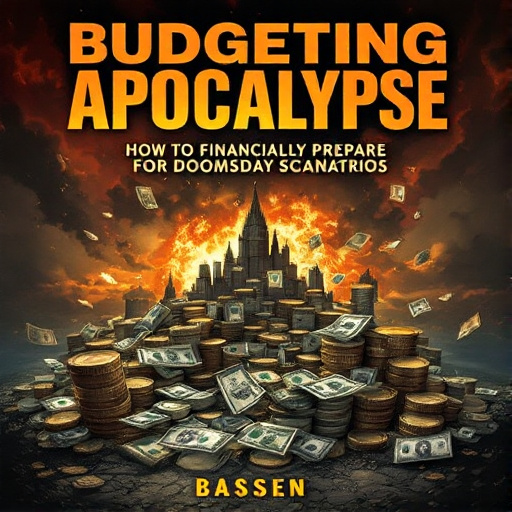
- Budgeting for the Apocalypse: How to Financially Prepare for Doomsday Scenarios
- "Budgeting for the Unconventional: How to Save While Embracing Minimalist Travel Adventures"
- "Budgeting in the Age of AI: How Smart Tech is Changing Our Spending Habits and Saving Strategies"
Budgeting for the Apocalypse: How to Financially Prepare for Doomsday Scenarios
Budgeting for the Apocalypse: How to Financially Prepare for Doomsday Scenarios
Budgeting for the apocalypse requires a creative blend of preparation, resourcefulness, and a touch of humor. From stockpiling supplies to strategic financial planning, this guide will explore various approaches to making doomsday scenarios not just manageable but also somewhat amusing.
The Reality Check: Why Prepare?
It’s easy to brush off apocalyptic planning as the domain of conspiracy theorists or overly zealous “doomsday preppers.” However, according to a study by the Pew Research Center, nearly 20% of Americans believe that some form of societal collapse is likely within their lifetime. This statistic indicates a growing concern, leading many to take feasible steps to prepare—financially or otherwise—for uncertain futures.
Establishing Your Apocalypse Budget
Imagine suddenly finding yourself in a post-apocalyptic world: the internet is down, grocery stores are bare, and cash is practically useless. Having a dedicated apocalypse budget can help you prioritize essential preparations without derailing your current financial stability. Start by determining your monthly expenses and identify areas where you can cut back in order to divert funds toward preparedness. This could be as simple as dining out less or skipping that daily coffee, freeing up funds for a stockpile of canned beans and ammunition.
Does Survival Equate to Berets and Bunkers?
Contrary to popular belief, prepping isn’t solely about stockpiling weapons and hoarding ideal survival gear. It encompasses a wide range of practices including financial literacy and resource management. In fact, more often than not, your survival will depend on your ability to make smart financial choices on-the-fly, utilizing what you have on hand. For example, Budgeting for the Apocalypse doesn’t necessitate extreme expenses; a simple and versatile tool like a multi-purpose baking soda can serve household cleaning needs as well as act as an effective deodorizer.
Case Study: Underground Harvesting
Meet Jane, a 34-year-old urbanite who decided to invest in preparedness after watching “The Day After Tomorrow.” Jane set aside $100 a month to learn about gardening and sustainable living. Over time, she transformed her barren balcony into a small agricultural haven. Today, she grows vegetables, herbs, and even keeps a few chickens. “When doomsday arrives,” Jane quips, “I’ll be plating fresh omelets while everyone else is fighting over canned soup!” This represents a vital lesson: investing in skills often yields better returns than simply stockpiling goods.
Creating a Safety Net
Part of prepping is establishing a safety net. According to the Federal Reserve, about 40% of Americans can't cover an unexpected $400 expense, which is more concerning when you think about an emergency situation. Building an emergency fund allows you to remain adaptable in the wake of unforeseen challenges, be they apocalyptic or mundane. Aim to save at least 3-6 months’ worth of living expenses. This cushion will not only provide peace of mind but also enable you to pivot quickly in crisis situations.
The Power of Community
One important aspect often overlooked in doomsday scenarios is the power of community. In a post-apocalyptic world, neighbors armed with differing skills and resources would be invaluable. A group of well-prepared individuals can sustain each other in ways that solitary hoarding cannot. Consider organizing community preparedness meetings or information-sharing sessions. After all, “together we can explode!” as the proverb goes—just kidding, it actually goes more like “together we can thrive!”
Humorous Survival Hacks
If nothing else, doomsday prepping should impart a sense of humor. Here are some survival hacks to make you chuckle:
- Running out of food? Boil your old shoes—they’re leather, folks!
- Lost a power source? Use your neighbor’s generator. Bonus points if they don’t know!
- Can’t find clean water? Sift through packets of ketchup from fast food joints—hydration and flavor all in one!
Invest in Skills that Pay
When assessing your budget, remember to invest in skills that are applicable in any situation, apocalypse or not. Learning first aid, cooking, and even basic mechanical skills can prove invaluable when resources dwindle. Numerous community colleges offer affordable classes—this way, you can broaden your capabilities while also entertaining practical strategies for surviving societal collapse.
Reevaluating Insurance Choices
Have you ever considered the possibility of apocalypse-specific insurance? Well, while it may sound ridiculous, some providers offer policies that cover natural disasters, terrorism, and acts of civil unrest. Engaging with your insurance agent can lead to useful discussions about your coverage and the best strategy going forward. Check if you have coverage for things like ‘apocalypse or robot uprising’—just kidding, or am I?
Sustainable Living: The Apocalypse Prolonged
Sustainable living isn't just useful for the Earth; it’s a critical prep for any potential apocalypse. Consider swapping out high-energy appliances for more energy-efficient ones, as energy conservation is essential during resource shortages. Also, explore renewable energy options for your home such as solar panels or wind turbines. Sure, the initial investment can be daunting, around $20,000 for a decent solar setup, but you could end up saving a hefty amount on your electricity bills over the years.
The Infamous “Do It Yourself” Culture
Parallel to the absurdity in prepping is the growth of the DIY movement. Many people have rediscovered the art of creating and fixing things. You need a shovel for your backyard bunker? Why not repurpose an old frying pan? Supplying your unknown doomsday needs with kitchenware is a humorous way to embrace a creative mindset. Plus, you’ll likely impress your neighbors, who may eye your efforts with both envy and suspicion!
Real-Life Inspirations: Preppers in Action
Take inspiration from communities across the globe. The Tangent Prepper’s Club in rural Tennessee organizes regular survivalist workshops where members trade goods, skills, and strategies. Hosted in a spacious barn surrounded by cornfields, the atmosphere is both educational and jovial. Members often share laughter over the absurdity of how prepared they feel while goofing off with their hand-carved wooden spoons.
Basic Supplies and Gear: Not as Scary as it Sounds!
Let’s get to the meat of the matter (figuratively, of course). Think of essential gear not as a terrifying list but as an attractive collection of items. Carry a sturdy backpack and fill it with basics such as food, water purification systems, and first aid kits. Here’s a tip: buy things you actually need or will use; impractical gadgets will only take up space and become another stress factor.
The Gary Index: Preparing Economically
If finances are tight, or you’re looking to make your dollar stretch, try applying the “Gary Index.” Inspired by author Gary Collins, this method focuses on evaluating potential purchases through a series of practical questions:
- Is it functional?
- Will it create long-term value?
- Can it be recycled or repurposed?
Long-term Planning: Beyond Prepping
Once you've addressed immediate needs, shift your mindset toward long-term planning. Allocate resources toward local farms, community gardens, or cooperative farming markets. Remember that the more sustainable your options are now, the better off you’ll be in any disaster scenario. Eventually, you may find yourself more connected with your community and less dependent on commercial systems.
End Note: The Bright Side of the End Times
As you embark on your budgeting for the apocalypse, remember that preparation need not always be fraught with anxiety. Find joy in the process of learning and building resilience. Engage with your community, invest in skills development, and keep humor at the forefront—even as you stockpile beans! Ultimately, having a solid plan can transform the daunting idea of an “apocalypse” into an opportunity for adventure and growth.
So, as you toast your future soup hoard, raise a can to this exciting journey of preparedness. Who knows? By the time doomsday arrives, you may just be sitting pretty in your well-stocked, laughter-filled bunker, ready to cook delicious beans while the world outside fights for canned tuna!
Related Articles