Featured Articles
- Beyond Dollars: Unconventional Budgeting Techniques from Ancient Civilizations to Modern Minimalism
- Budgeting for Pets: Unleashing Savings on Pet Care Without Sacrificing Love or Quality
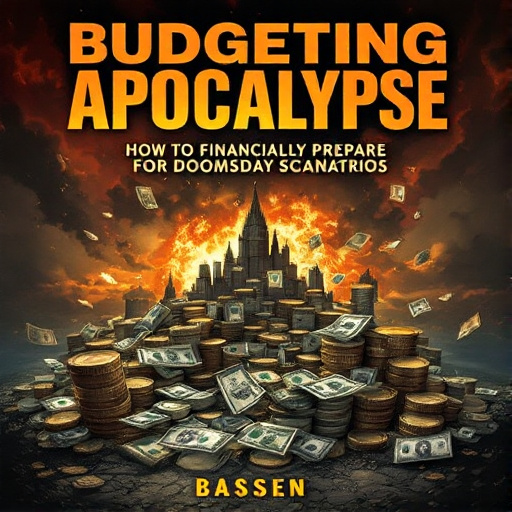
- Budgeting for the Apocalypse: How to Financially Prepare for Doomsday Scenarios
- "Budgeting for the Unconventional: How to Save While Embracing Minimalist Travel Adventures"
- "Budgeting in the Age of AI: How Smart Tech is Changing Our Spending Habits and Saving Strategies"
"Emotional Spending: How Your Mood Can Sabotage Your Budget and What to Do About It"
"Emotional Spending: How Your Mood Can Sabotage Your Budget and What to Do About It"
Emotional spending can wreak havoc on your budget as it flares up when you’re feeling down or even too ecstatic. Understanding how your mood affects your purchasing behavior is crucial in gaining control over your finances.
What Is Emotional Spending?
Emotional spending is the practice of buying things in response to your feelings rather than needs. Whether you're splurging after a breakup or treating yourself after a long work week, these moments often lead to impulse purchases that can strain your budget. Psychology Today notes that emotional spending is not uncommon; in fact, a 2021 survey found that 64% of Americans admitted to making purchases based on their feelings rather than their wallets (Smith, 2021).
The Science Behind Emotional Spending
Your brain releases dopamine, the "feel-good" hormone, when you make a purchase, which can create a temporary sense of happiness. However, this high can quickly turn into buyer's remorse, leaving you feeling guilt or shame about your spending choices. Understanding this cycle is essential to breaking free from emotional spending patterns.
Case Study: Meet Lisa
Let’s take a look at Lisa, a 29-year-old marketing professional. After an exhausting week of meetings and presentations, she decided to treat herself to an expensive pair of shoes. Initially, she felt on top of the world; however, by the following week, her finances looked bleak, forcing her to forgo her usual weekend brunch plans. Lisa’s experience illustrates how a temporary emotional uplift can lead to long-term financial consequences.
Recognizing Your Triggers
The first step in combating emotional spending is to identify your triggers. Common emotional triggers include stress, anxiety, loneliness, and even happiness. Make a list of situations where you've indulged in emotional spending and take note of your feelings during those moments. By recognizing the emotional states that lead to impulsive buying, you can begin to tackle them directly rather than letting them dominate your decisions.
The Dark Side of Retail Therapy
While many people may celebrate the concept of retail therapy, it’s essential to understand the risks associated with this coping mechanism. A study published in the Journal of Consumer Research revealed that individuals who engage in retail therapy often develop a cycle of dependence, where they equate shopping with comfort, ultimately leading them into a financial black hole (Miller, 2020).
Practical Steps to Combat Emotional Spending
When you feel the urge to spend based on your emotions, consider implementing the following strategies:
- Establish a Cooling-Off Period: Implement a 24-hour rule where you wait a day before making any non-essential purchases. This gives you time to assess your motivations for wanting to buy.
- Create a Budget: Use budgeting apps to create a financial plan that aligns with your goals. Sticking to a budget can empower you to resist impulsive buying.
- Seek Alternatives: When you experience a strong desire to spend, consider alternative activities. Go for a walk, read a book, or reconnect with a friend instead of heading to the mall.
A Tale of Two Budgets
Imagine two friends, Tom and Jerry (yes, just like the cartoon). Tom meticulously follows his budget and tracks his spending with an app on his phone, while Jerry often finds himself making purchases without considering their impact. One day, after a difficult day at work, Jerry splurges on dinner at a fancy restaurant and a new video game. Meanwhile, Tom, who faced a similar day, goes for a relaxing jog instead. The following week, Tom feels accomplished and financially stable, while Jerry has to eat instant noodles for the rest of the month. This simple comparison shows the lasting effect of emotional spending on your overall financial health.
The Role of Mindfulness
Integrating mindfulness into your daily routine can also help curb emotional spending. Mindfulness practices, such as meditation and deep breathing, allow you to pause and assess your feelings before taking action. A study by the American Psychological Association found that individuals who practice mindfulness report a reduction in impulsive behaviors and improved emotional regulation over time (APA, 2022).
Statistics That Speak Volumes
According to a national study conducted by the National Endowment for Financial Education, 63% of individuals stated they had made impulsive purchases as a coping mechanism for stress or anxiety (NEFE, 2022). These alarming figures highlight the necessity for individuals of all ages—including teens, young adults, and older generations—to recognize the impact their emotions have on spending habits.
Talking to a Professional
If emotional spending leads to significant distress or financial instability, it may be worthwhile to consult with a financial advisor or a therapist. Mental health professionals can assist you in exploring deeper emotional issues, while financial experts can provide tailored advice to help you regain control over your budget.
Changing Your Spending Mindset
Consider shifting your mindset from viewing money as a measure of happiness to viewing it as a tool for achieving your goals. Reframing your perspective can help reduce the power that emotional triggers have over your purchasing habits. Instead of saying, "I need to spend to feel better," reframe it to "I will find fulfillment through achieving my financial goals."
Reading Between the Lines
With an open mind and some dedication, you can break the cycle of emotional spending. Just examine the stories of individuals who have successfully reigned in their impulses. For instance, consider Jenna, a 45-year-old mother of three who used to swipe her credit card at every sign of stress. After learning to practice mindfulness and reevaluating her spending triggers, she now finds joy in spending time with her family rather than shopping. Jenna's transformation not only helped her regain her financial footing but also improved her relationships.
What to Do When You Slip Up
We’re all human, and despite your best efforts, there might still be days you find yourself spending unnecessarily. Should this happen, remember that a single slip-up doesn’t mean all is lost. It's about progress, not perfection. Acknowledge the purchase, reflect on your emotional state at the time, and use it as a learning experience rather than a reason for guilt.
Building Community Support
Sometimes, simply having others to share your journey can help you stay on track. Consider joining a community group or online forums focused on budgeting and financial health. Sharing your experiences, setbacks, and triumphs with others can provide you with needed support while also reinforcing your commitment to improving your spending habits. Remember, there’s strength in numbers!
In Conclusion
Emotional spending can pose a significant threat to your financial well-being, but it doesn’t have to define your spending habits. By recognizing your triggers, implementing practical steps, and supporting yourself with mindfulness and community, you can regain control over your emotions and your budget. Whether you're a teenager or on the wiser side of 70, learning about emotional spending is a journey that can lead to personal and financial growth.
Related Articles