Featured Articles
- Beyond Budgeting: The Surprising Role of Minimalism in Effective Debt Management
- "Debt Management in the Age of AI: Can Algorithms Help You Break Free from Financial Chains?"
- Harnessing the Power of Mindfulness: A Revolutionary Approach to Debt Management and Financial Freedom
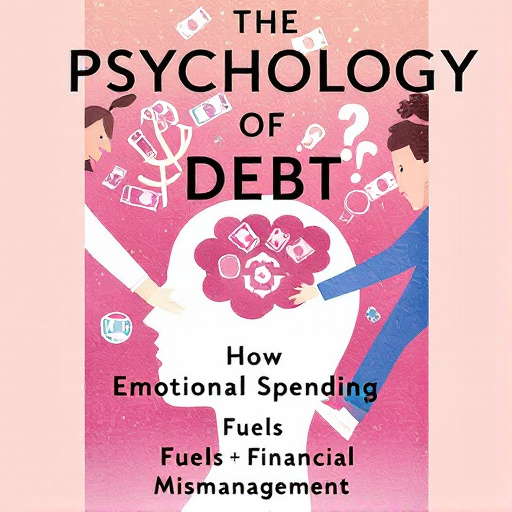
- The Psychology of Debt: How Emotional Spending Fuels Financial Mismanagement
- The Psychology of Debt: How Your Mindset Shapes Financial Choices and Repayment Success
Beyond Budgeting: The Surprising Role of Minimalism in Effective Debt Management
Beyond Budgeting: The Surprising Role of Minimalism in Effective Debt Management
In a world where financial stability often eludes even the most meticulous planners, minimalism emerges as a surprisingly effective approach to debt management. This article explores how adopting a minimalist mindset can transform your relationship with money, leading to sustainable practices that promote healthier financial habits.
Understanding Debt: A Modern Dilemma
Debt has become a defining feature of contemporary life. According to the Federal Reserve, total outstanding household debt reached a staggering $15.58 trillion in 2021, illustrating a growing epidemic that transcends age, income, and location. For young adults, student loans loom large, while middle-aged individuals grapple with mortgage payments and credit card debt.
The Minimalist Mindset
What is minimalism? It goes beyond decluttering your space; it's about simplifying your life and prioritizing what really matters. This philosophy posits that by reducing excess, we make room for more fulfilling experiences and relationships. According to a study by the American Psychological Association, decluttering can lead to reduced stress and enhanced mental clarity—qualities crucial for effective debt management.
For instance, imagine Rachel, a 30-year-old marketing professional, who found herself drowning in credit card debt after years of retail therapy. After stumbling upon minimalism and embracing its tenets, Rachel started by decluttering her closet. As she parted with items she hadn't worn in over a year, the emotional weight began to lift. She reported feeling clearer-headed and better equipped to face her financial challenges.
The Financial Implications of Minimalism
Adopting a minimalist lifestyle can have profound implications for your finances. A 2022 study published in the Journal of Consumer Research revealed that people who minimize material possessions are less likely to overspend, as they are more conscious of their purchases. This is particularly important in today's consumer-driven society, where advertisements bombard us from every angle.
Creating a Budgetless World
Traditional budgeting is often perceived as a daunting task that requires meticulous record-keeping and endless number-crunching. A minimalist approach simply involves tracking essential expenses and allowing flexibility for what brings genuine value. By focusing on needs over wants, individuals can spend smarter without feeling restricted.
John, a 45-year-old father of two, exemplified this approach. He ditched his intricate spreadsheets and adopted a "spend your values" system. John began identifying his core priorities—family outings, educational benefits for his children, and investment in experiences. The results? A reduction in his monthly expenses of over 25%, freeing up funds to tackle debt while enjoying life.
Emotional and Psychological Benefits
The psychological burden of debt can be paralyzing, leading to anxiety and hopelessness. According to the Anxiety and Depression Association of America, nearly 70% of Americans report feeling stressed about their personal finances. Minimalism can counteract this strain by helping individuals find contentment with less, fostering a healthy relationship with money.
Take Sarah, a 29-year-old graduate student who was anxious about her accumulating student loans. By practicing minimalism, she honed her focus on what truly brought her joy and fulfillment, such as spending time with family and pursuing meaningful hobbies. This shift in focus allowed her to panic less and make informed decisions regarding her loans and expenditures.
Practical Tips for Embracing Minimalism in Debt Management
If you’re interested in integrating minimalism into your life to improve your financial status, here are some practical steps to get started:
1. Set Clear Goals
Define what you want to achieve financially. Whether it's paying off student loans, saving for a house, or simply getting out of debt, having clear targets will guide your decisions.
2. Assess Your Finances
Take an inventory of your income, expenses, and debts. With this information, you can identify areas that need immediate attention and recognize the unnecessary costs that can be eliminated.
3. Prioritize Your Spending
Make a list of what brings you genuine satisfaction. Focus on the essentials that align with your values and eliminate impulse purchases that lead to debt.
The Power of Community
Consider engaging with like-minded individuals who embrace minimalism. Whether online forums or local meet-ups, sharing experiences can provide motivation and accountability. As the saying goes, “You are the average of the five people you spend the most time with.” Surrounding yourself with financially savvy, minimalist friends amplifies your chances of success.
In 2021, 32-year-old Ethan, who was struggling with credit card debt, joined a minimalist community. The support and collective wisdom from fellow members inspired him to reduce his spending by 40% over the next six months. He found that peer accountability indeed made a dramatic difference.
Humor as a Tool
While finances can often feel heavy and burdensome, introducing a touch of humor can lighten the load. Think of it this way: when you choose to embrace minimalism, you're not just decluttering your home and mind—you're mentally tossing out financial baggage that weighs you down. After all, who needs a closet full of clothes when you can count your favorite outfits on one hand? In the wise words of a minimalist guru: “Less is more…unless we’re talking about pizza; then, it’s just not enough!”
Case Study: The Transformation of Anna
Anna, a 25-year-old recent graduate, faced a mountain of student loans. Initially overwhelmed, she stumbled upon minimalism through a friend’s blog. By adopting the minimalist mindset, Anna learned to view her debt as a challenge rather than a prison sentence.
She shifted her focus from repayment timelines to artistic side hustles that aligned with her passions, ultimately increasing her income. Coupled with comfortable living adjustments, such as downsizing her apartment and embracing a roommate, Anna managed to pay off her student loans in just three years! Her story is a testament to the idea that minimalism is not just about living with less but about enriching life with purpose.
Reassessing Values
Once you've adopted minimalism, it's time to reassess your values. This isn’t merely about decluttering your physical space; it’s about sifting through your priorities. Ask yourself: “What do I truly value?” This question should be at the forefront of your financial decisions. According to a Gallup poll, people who can articulate their core values report greater life satisfaction and financial well-being.
Consistency is Key
Integrating minimalism into debt management is not a one-time event; it's a lifestyle commitment. To reinforce this lifestyle, create routines that promote continuous learning and remind yourself of the reasons you chose this path. Regular reflection—what did you spend on last week? Did it align with your core values?—can keep you in check.
The Future: A Life Without Financial Burden
By now, it’s clear that minimalism is more than just a trend. It presents a powerful tool for achieving financial wellness that resonates with individuals across age groups—from teens grappling with their first credit cards to seniors managing retirement savings. Embracing minimalism allows for a life where money serves you rather than dictates your choices.
Imagine a future where your financial decisions are informed not by societal pressures but by intrinsic values. Being minimalistic is like wearing a pair of financial glasses that filters out the noise, bringing your true aspirations into focus. Will you join the revolution?
Conclusion: The Way Forward
In conclusion, minimalism, when applied to debt management, serves as a counterbalance to the overwhelming norms of consumerism and financial anxiety. As we’ve seen through various stories and strategies, this approach invites individuals to reframe their financial realities, fostering a sense of empowerment and control over debt.
So, whether you’re just starting your financial journey or looking for ways to enhance your existing practices, consider minimalism as your ally. Remember: It’s not about how much you have but how wisely you choose to live.
Related Articles