Featured Articles
- Beyond Budgeting: The Surprising Role of Minimalism in Effective Debt Management
- "Debt Management in the Age of AI: Can Algorithms Help You Break Free from Financial Chains?"
- Harnessing the Power of Mindfulness: A Revolutionary Approach to Debt Management and Financial Freedom
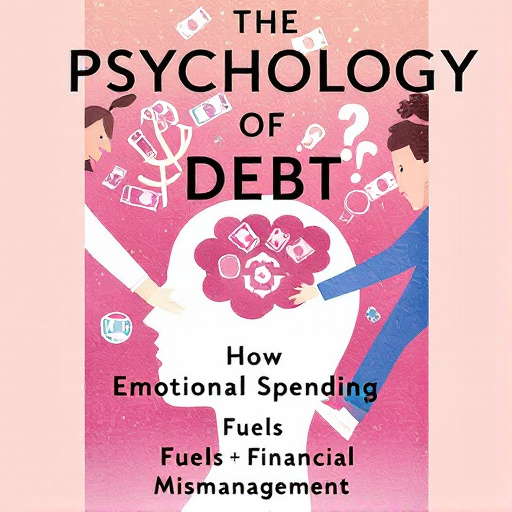
- The Psychology of Debt: How Emotional Spending Fuels Financial Mismanagement
- The Psychology of Debt: How Your Mindset Shapes Financial Choices and Repayment Success
Harnessing the Power of Mindfulness: A Revolutionary Approach to Debt Management and Financial Freedom
Harnessing the Power of Mindfulness: A Revolutionary Approach to Debt Management and Financial Freedom
Mindfulness can transform the way we view and handle our finances, paving a path to debt management and financial freedom. By intertwining practical financial strategies with the principles of mindfulness, individuals can cultivate a healthier relationship with money.
The Mindful Approach to Money Management
At its core, mindfulness is the practice of being present in the moment, free from judgment. But how does this psychological state influence our financial decisions?
Understanding Mindfulness
A simple definition: mindfulness involves paying full attention to the present moment while acknowledging and accepting one’s feelings and thoughts. When it comes to financial matters, this means acknowledging our emotions regarding spending and saving without letting them govern our behavior. For instance, rather than impulsively buying a new gadget to feel better after a tough day, one might pause and consider the value of that purchase in the grand scheme of their finances.
Statistics that Speak Volumes
Consider this: a 2019 study published in the *Journal of Financial Planning* revealed that financially stressed individuals who practiced mindfulness reported a 30% decrease in impulsive spending. By adopting a more reflective approach to spending, the stats suggest that you’re not just saving money — you’re also alleviating stress.
Debt: The Emotional Weight
Imagine waking up every day with a pile of debt looming over you like a storm cloud. This is a reality for many individuals: according to Experian, the average American carries about $6,194 in credit card debt. This financial obligation creates anxiety and can lead to poor spending habits. Mindfulness can be a beacon of hope amidst this chaos.
A Case Study: John’s Journey
Meet John, a 35-year-old graphic designer who found himself $20,000 in debt due to a combination of student loans and credit card bills. After attending a mindfulness workshop, John realized that a significant portion of his debt was driven by emotional spending during moments of stress. He learned to pause and reflect before making purchases, substituting shopping sprees with walks in nature or meditation. Within a year, John not only reduced his debt by 50%, but he felt far more at peace with his financial decisions.
Practical Mindfulness Exercises
If John’s story resonates with you, consider integrating some mindfulness practices into your financial routine:
The Five-Minute Reflection
Before making any purchase, take a five-minute pause. Ask yourself questions like: “Do I truly need this?” or “How will this affect my long-term financial goals?” This can diminish the chances of impulsive purchases.
Gratitude Journaling
Start a gratitude journal focused on your financial situation. Write down aspects you appreciate about your current financial status, no matter how small. Research from the *Greater Good Science Center* shows that gratitude enhances psychological well-being, potentially leading to more responsible spending decisions.
The Connection Between Mindfulness and Financial Literacy
Interestingly, practicing mindfulness can also increase financial literacy. A survey by the National Endowment for Financial Education indicated that individuals who engage in mindful practices tend to seek out financial education resources more often. They are also more likely to take the time to understand the terms and conditions of financial products, promoting better money management decisions.
The Role of Emotional Awareness
How often have you blown your budget simply because you felt down or overwhelmed? Emotional awareness is a crucial aspect of mindfulness that can directly impact your spending habits. Recognizing that you might be reaching for your credit card out of sadness allows you to take a step back and find healthier coping strategies, such as reaching out to a friend or going for a jog.
Financial Freedom: A Mindful Destination
The path to financial freedom is not just about accumulating money, but about cultivating a mindset that embraces abundance. When you practice mindfulness, your outlook shifts from scarcity to potential. Suddenly, you’re not just surviving on a budget; you are engaging with your financial landscape in a way that inspires growth and prosperity.
Will You Join the Movement?
Mindfulness is gaining traction as a powerful tool in the fight against financial stress. Places like *Tricycle Magazine* and various financial blogs often discuss how integrating mindfulness practices into everyday decisions can lead to a more balanced and fulfilling financial life. So, why not consider adopting it in your own life?
The Humor in Financial Fumbles
Here’s a funny thought: with mindfulness, maybe we can stop using our credit cards for retail therapy! Have you ever watched someone shamelessly swipe their card at a sale? Imagine if, at that moment, they stopped to think and instead decided to treat themselves to a meditation class. You can almost picture the cashier nodding in approval! “No more regrets today, huh?”
Creating a Sustainable Mindfulness Practice
While practicing mindfulness to manage finances may sound a bit “new-agey,” integrating it into your routine can be both innovative and practical. Begin with mindfulness apps like Headspace or Calm that offer financial-themed meditations. Over time, it can lead to less anxiety and more control over your finances.
Setting Financial Goals Mindfully
Finally, consider setting your financial goals using a mindful approach. Break each goal down into manageable chunks and regularly check in with yourself. Ask questions like, “Am I feeling pressured, or am I genuinely inspired by these goals?” With each reflection, you’ll align your aspirations with your values and emotional health.
The Takeaway
At the end of the day, harnessing the power of mindfulness offers a revolutionary pathway to debt management and ultimately, financial freedom. You cultivate a healthier relationship with your finances, allowing you to harness your resources in a way that supports your overall well-being. So, whether you’re a teenager grappling with your first savings account or a retiree managing your pension, keep these principles close. After all, financial freedom isn’t just about money; it’s about living a life aligned with your values and aspirations.
Related Articles