Featured Articles
- Beyond Budgeting: The Surprising Role of Minimalism in Effective Debt Management
- "Debt Management in the Age of AI: Can Algorithms Help You Break Free from Financial Chains?"
- Harnessing the Power of Mindfulness: A Revolutionary Approach to Debt Management and Financial Freedom
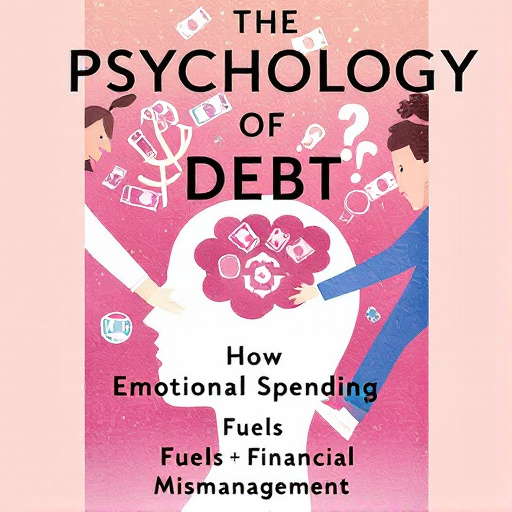
- The Psychology of Debt: How Emotional Spending Fuels Financial Mismanagement
- The Psychology of Debt: How Your Mindset Shapes Financial Choices and Repayment Success
The Psychology of Debt: How Emotional Spending Fuels Financial Mismanagement
The Psychology of Debt: How Emotional Spending Fuels Financial Mismanagement
Debt is not just a financial issue; it’s a psychological labyrinth where emotions sometimes trump rational decisions. Exploring the intricate relationship between emotional spending and financial mismanagement reveals how our feelings can lead us into a cycle of debt, making it a conversation worth having.
The Emotional Triggers of Spending
To begin unpacking this complex relationship, let’s talk about emotional spending. Often defined as shopping that is triggered by emotions rather than necessity, emotional spending can arise from various situations. A 2016 survey from Credit Karma found that over 60% of people spend money when they’re feeling stressed, sad, or even bored. It’s as if shopping becomes a temporary escape from reality, a quick fix for emotional pain.
Meet Sarah: The Relatable Consumer
Take, for instance, the story of Sarah, a 27-year-old marketing executive. Sarah worked long hours and often felt overwhelmed by the pressures of her job. To cope, she started buying clothes, gadgets, and home décor, filling her closet and her living space to the brim. “It felt great at the moment,” she recalls, “but then I’d look at my credit card bill, and the joy quickly faded.” This phenomenon is all too common; Sarah’s experience is echoed by countless individuals who find satisfaction in spending only to be left with regret.
Why Do We Spend Emotionally?
Researchers have identified several reasons behind emotional spending. One major factor is instant gratification. In a fast-paced world where we seek immediate solutions, buying something new can provide a fleeting sense of happiness. According to a study in the *Journal of Consumer Research*, individuals often choose impulse purchasing as a way to cope with stress, leading to an elevated risk of financial mismanagement.
The Ironic Reality of Emotional Spending
Ironically, the very act meant to alleviate emotional distress can cultivate more profound issues. According to a 2018 study by the American Psychological Association, nearly 72% of adults reported feeling stressed about money at some point in their lives. This stress can initiate a harmful cycle, where financial issues elevate emotional stress, leading to more spending as a coping mechanism. It’s a vicious loop!
The Impact on Mental Health
Not only does emotional spending lead to financial mismanagement, but it can also jeopardize mental health. The weight of debt can be suffocating, instigating feelings of anxiety and shame among those who find themselves deep in it. In fact, a 2022 survey from the National Endowment for Financial Education reported that 80% of respondents said financial stress negatively impacted their mental health.
Breaking the Cycle
So, what’s the solution? How do we break these cycles of emotional spending? One effective approach is cultivating awareness around our spending habits. Tracking purchases and understanding the triggers behind them is the first step toward restructuring financial behavior. Apps that analyze spending can serve as digital guides to help consumers wake up to their emotional spending habits.
Mindfulness and Spending
Mindfulness is a powerful tool in combatting the urge to spend emotionally. By practicing mindfulness, individuals can develop a greater awareness of their thoughts and feelings, enabling them to pause and consider underlying motivations before their wallets open. A small study published in the *Journal of Retailing and Consumer Services* found that participants who engaged in mindfulness exercises prior to shopping made more deliberate purchasing decisions.
Your Emotional Toolbox
Create an emotional toolbox for moments of stress or sadness. Replace shopping binges with healthier alternatives such as exercise, meditation, or journaling. These activities can fulfill the emotional needs that spending once did but without the financial repercussion. “I now go for a walk or hit the gym instead of hitting the mall,” Sarah says, illustrating how she successfully reframed her emotional responses.
Understanding Consumer Psychology
Understanding consumer psychology can also arm individuals against emotional spending. Advertisements are designed to tap into our emotions, creating a false sense of need for products. According to a study published in *Psychology & Marketing*, marketing tactics that evoke strong emotional responses often lead consumers to purchase products they don’t need. Keeping a critical eye on marketing messages can help consumers make more informed financial decisions.
Delay and Think
Another strategy is implementing a “delay and think” method. If you feel the urge to purchase something on impulse, pause for 24 hours. This gives you time to reflect on whether you truly need the item or if it’s a temporary emotional response. A behavioral economist, Dan Ariely, often discusses in his work how delaying gratification leads to more rational financial choices. Always remember: not every sale is a good deal!
Statistics Speak Volumes
It’s hard to overlook the numbers when discussing debt and emotional spending. According to Experian, the average American owed approximately $38,000 in personal debt in 2023! That’s nearly $1,200 in interest alone, money that could be saved or invested. Furthermore, studies have shown that financial stress affects productivity—workers distracted by their financial woes can see a drop in work effectiveness by 10-20%. Think about how many people are not just financially struggling but also losing sleep over it.
Finding a Support System
Reaching out to friends, family, or even professional help can create a robust support system that actually encourages healthier financial habits. Whether it’s joining a financial accountability group or simply confiding in a trusted friend, a solid support system can provide the motivation needed to tackle emotional spending and debt.
Debt’s Stringent Impact on Relationships
Lastly, it's crucial to touch upon the impact of debt on personal relationships. Financial mismanagement often leads to friction within romantic partnerships and friendships. The National Foundation for Credit Counseling notes that 60% of couples cite financial issues as a significant cause of stress in their relationships. Sharing financial goals and spending habits can pave the way for healthier, more trusting relationships.
Conclusion: A Path Forward
Ultimately, the psychology of debt and emotional spending is a multifaceted issue that requires a balance of self-awareness, healthy coping strategies, and support systems. By recognizing the emotional triggers behind our spending habits, we can take steps—big or small—to climb out from the shadow of debt. It won’t happen overnight, but with every conscious decision, we’re one step closer to financial wellness.
As Sarah puts it, “I’m still a work in progress, but I now view my finances as a reflection of my self-worth—and that’s a powerful perspective shift!”
Related Articles